Backyard bird sanctuaries have become a popular topic in Pinterest ideas because they combine nature appreciation with creative outdoor design. A bird sanctuary in the backyard provides a safe and welcoming environment where birds can find food, water, shelter, and nesting areas.
These spaces support local wildlife while also transforming an outdoor area into a peaceful and visually appealing landscape. Many homeowners and garden enthusiasts explore bird sanctuary inspiration to create a natural environment that attracts a variety of bird species.
This article presents ten backyard bird sanctuary ideas that focus on practical design and easy implementation. Each idea explains how to create a specific sanctuary feature and describes the materials and planning involved. The goal is to help readers design a space that supports birds while maintaining an attractive outdoor environment.
Readers will learn how bird feeders, water sources, natural plants, and shelter areas contribute to a balanced bird habitat. The guide also explains simple DIY techniques and beginner friendly steps for building these features. By understanding the essential elements of bird-friendly environments, individuals can design a backyard sanctuary that encourages wildlife while enhancing the beauty of their outdoor space.
Why This Idea Is Trending or Useful
Backyard bird sanctuaries have gained popularity on Pinterest because people increasingly seek ways to connect with nature at home. Creating a bird-friendly backyard allows individuals to observe wildlife closely while contributing to local ecosystems. Bird sanctuaries provide birds with reliable food sources and safe nesting spaces, which can support biodiversity in residential areas.
Another reason these ideas are trending is their accessibility. Many bird sanctuary features can be created using simple materials and basic DIY techniques. Bird feeders, water bowls, and nesting areas can be built or arranged without complex tools. This makes backyard bird sanctuaries suitable for beginners who want to improve their outdoor spaces.
Bird sanctuaries also align with modern outdoor design trends. Many garden layouts now incorporate natural elements that attract wildlife while maintaining aesthetic appeal. Bird-friendly plants, water features, and decorative feeders can transform a backyard into a relaxing environment. Pinterest inspiration boards frequently highlight these designs because they combine creative landscaping with ecological benefits. As more people explore sustainable outdoor living, backyard bird sanctuary ideas continue to grow in popularity.
Materials and Preparation
Preparing to build a backyard bird sanctuary begins with identifying the basic needs of birds. Birds require three primary resources: food, water, and shelter. Planning these elements carefully ensures that the sanctuary supports birds throughout different seasons. A well-designed bird sanctuary often includes feeding areas, water sources, nesting spaces, and protective vegetation.
Common materials for bird sanctuary projects include bird feeders, wooden posts, shallow water bowls, natural stones, and small shrubs. Birdhouses or nesting boxes may also be included to provide safe spaces for birds to rest and raise young. Natural plants such as flowering shrubs and berry-producing bushes help provide food while creating protective cover.
Basic tools may include garden gloves, a shovel for planting, and simple woodworking tools if building feeders or birdhouses. Preparing the backyard space is also important. Observing the area helps identify safe locations for feeders and water sources. These areas should be visible to birds while remaining protected from predators.
Planning the layout of the sanctuary before installation improves organization and ensures each feature complements the surrounding landscape. Careful preparation helps create a balanced habitat that encourages birds to visit regularly.
Idea 1: Hanging Bird Feeder Station
How to Create
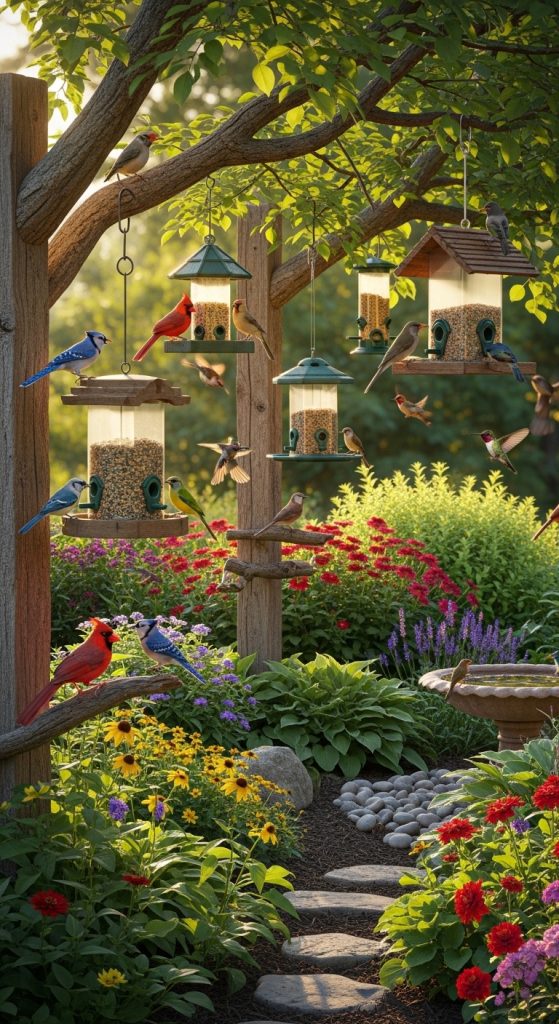
A hanging bird feeder station is one of the most effective ways to attract birds to a backyard sanctuary. This feature provides a consistent food source while creating a focal point in the garden. Bird feeders can attract a wide variety of species depending on the type of food offered. Seeds, grains, and nuts are common feeding options that support many birds.
The hanging feeder station also allows birds to feed safely above ground level. This placement helps reduce disturbance from ground predators and allows birds to approach the feeder comfortably. When placed near trees or shrubs, the feeder station provides birds with quick access to nearby shelter.
The design of the feeder station can also enhance the visual appearance of the garden. Decorative hooks or wooden stands can support multiple feeders at different heights. This arrangement allows several birds to feed simultaneously while creating a dynamic birdwatching area.
To create a hanging feeder station, begin by selecting a sturdy support such as a metal pole or tree branch. Attach several feeder hooks at varying heights to allow space for different types of feeders. Fill the feeders with appropriate birdseed mixtures.
Place the feeder station near shrubs or small trees so birds have a nearby escape route if needed. Regularly refill the feeders and clean them to maintain a healthy feeding environment.
Idea 2: Bird Bath Water Oasis
Step-by-Step Guide
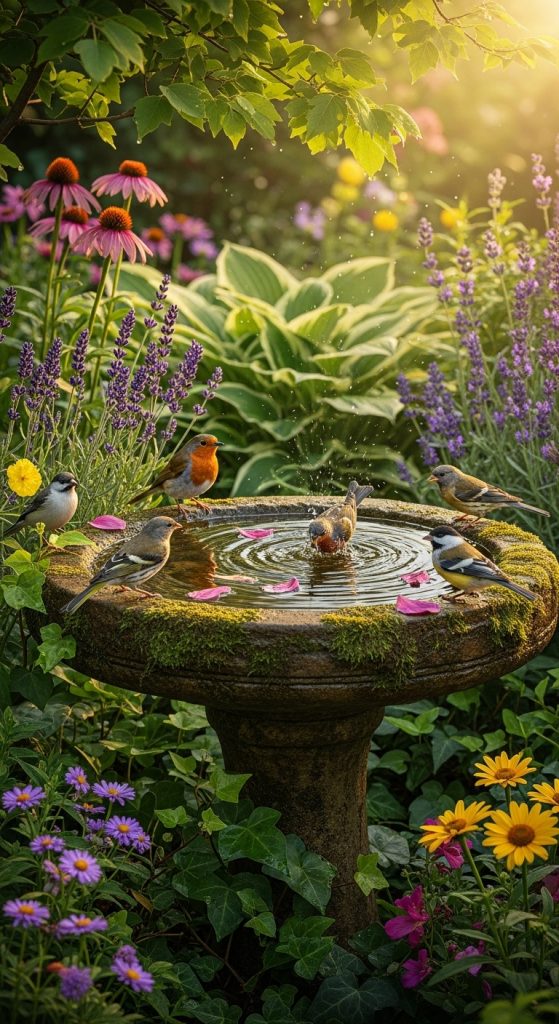
A bird bath water oasis provides birds with an essential water source for drinking and bathing. Water features are one of the most attractive elements of a backyard bird sanctuary because birds require water daily. A simple bird bath can quickly become a gathering point for many bird species.
Bird baths also support bird health by allowing birds to clean their feathers. Clean feathers help birds maintain proper insulation and flight ability. Because of this, water sources are often just as important as food in bird-friendly environments.
The placement of a bird bath should provide clear visibility and nearby shelter. Birds prefer locations where they can watch for predators while having quick access to trees or shrubs for safety. The bath should also remain shallow enough for small birds to use comfortably.
To create a bird bath oasis, begin by selecting a shallow bowl or decorative bird bath base. Place the bath in a stable location where it receives partial sunlight. Fill the bowl with clean water, keeping the depth shallow.
Add small stones inside the bath so birds can perch while drinking. Refresh the water regularly to maintain cleanliness and encourage birds to return frequently.
Idea 3: Native Plant Bird Garden
How to Make
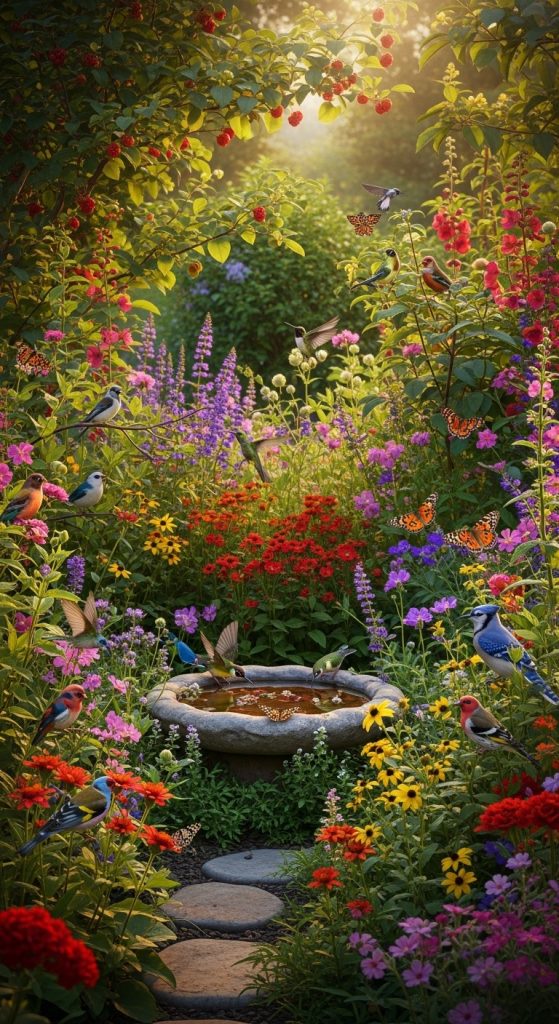
A native plant bird garden supports birds by providing natural food sources and protective shelter. Native plants produce seeds, berries, and insects that birds rely on throughout the year. These plants also create a layered habitat where birds can hide, nest, and rest.
Native plant gardens are especially effective because they adapt well to local climates. This means they require less maintenance while still supporting wildlife. Different plant heights can create multiple habitat layers, including ground cover, shrubs, and taller plants.
To create a native bird garden, begin by researching plant species that naturally grow in the region. Choose plants that produce berries or seeds during different seasons.
Prepare the soil and plant shrubs or flowering plants in clusters. This arrangement creates protective cover while encouraging birds to explore the area.
Idea 4: Birdhouse Nesting Area
Execution Process
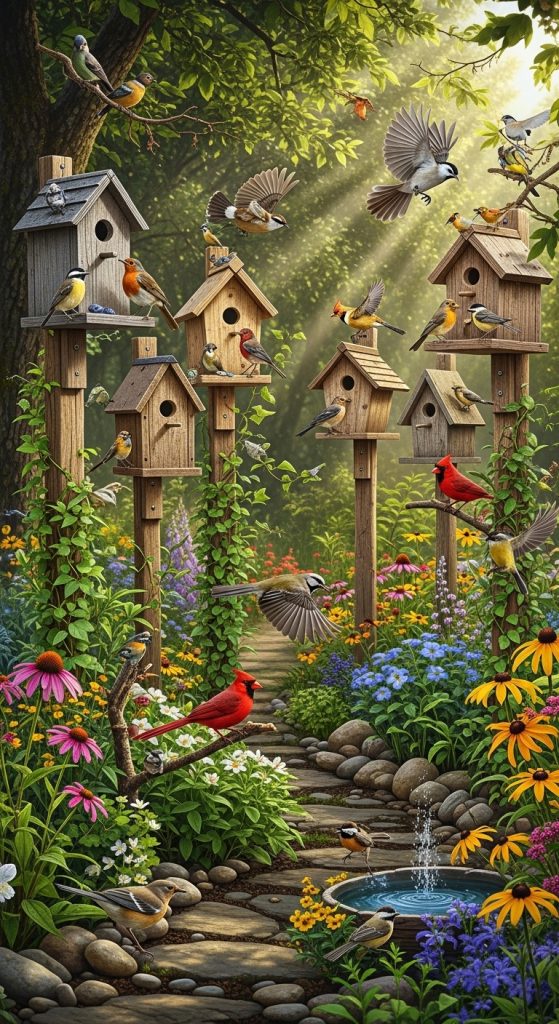
A birdhouse nesting area provides birds with safe places to rest and raise young. Nesting boxes are particularly helpful in urban areas where natural tree cavities may be limited.
To create this sanctuary feature, install birdhouses on wooden posts or tree trunks. Position the houses at appropriate heights depending on the bird species.
Ensure the entrance holes match the size required by local birds.
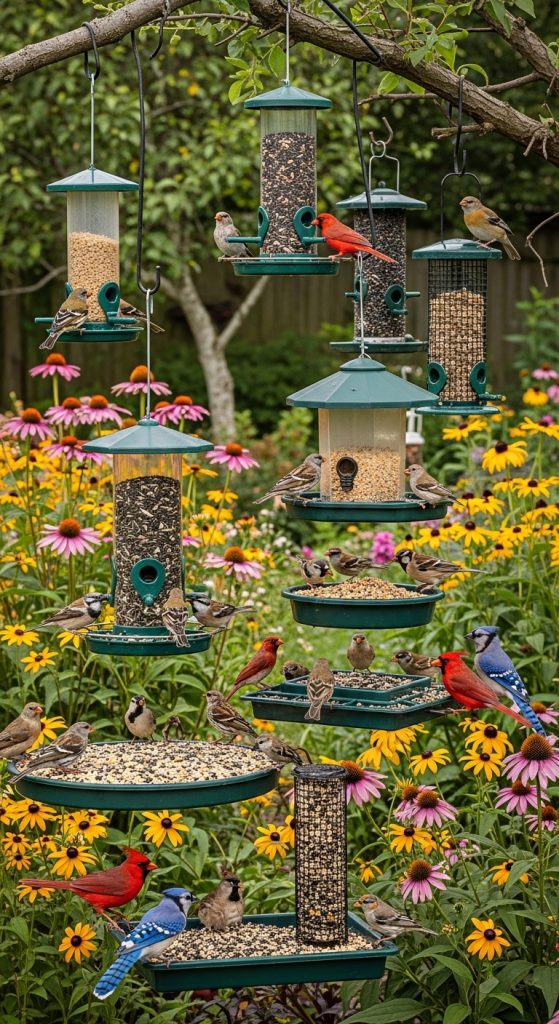
Idea 5: Multi-Level Bird Feeding Garden
How to Create
This design uses feeders placed at different heights to attract multiple bird species.
Install ground feeders, hanging feeders, and platform feeders to accommodate different feeding behaviors.
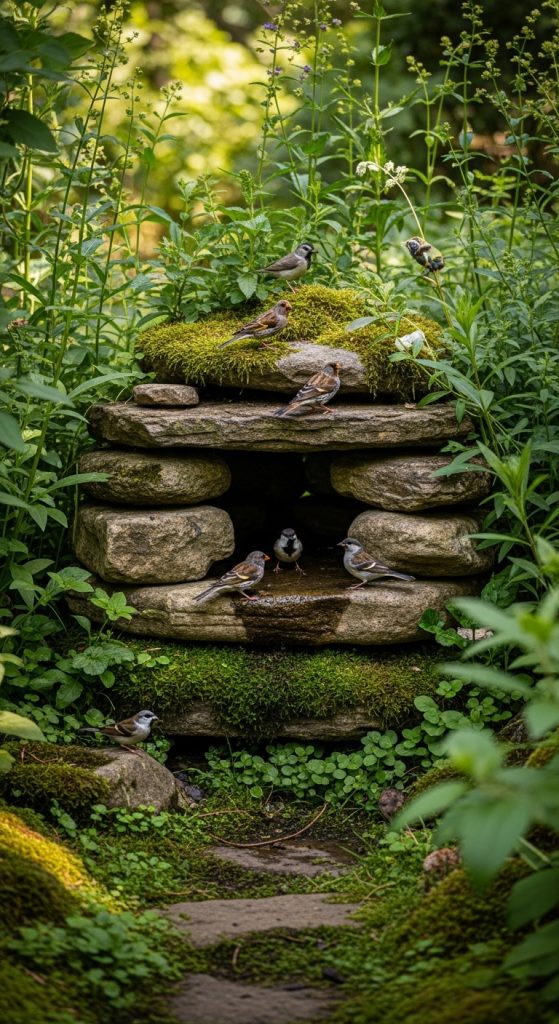
Idea 6: Stone Bird Shelter Corner
Setup Method
A stone shelter corner creates small hiding spaces for birds. Stones stacked loosely can form protective gaps.
Add plants nearby to enhance the shelter.
Idea 7: Backyard Water Fountain for Birds
How to Create
A small fountain adds moving water, which attracts birds more effectively than still water.
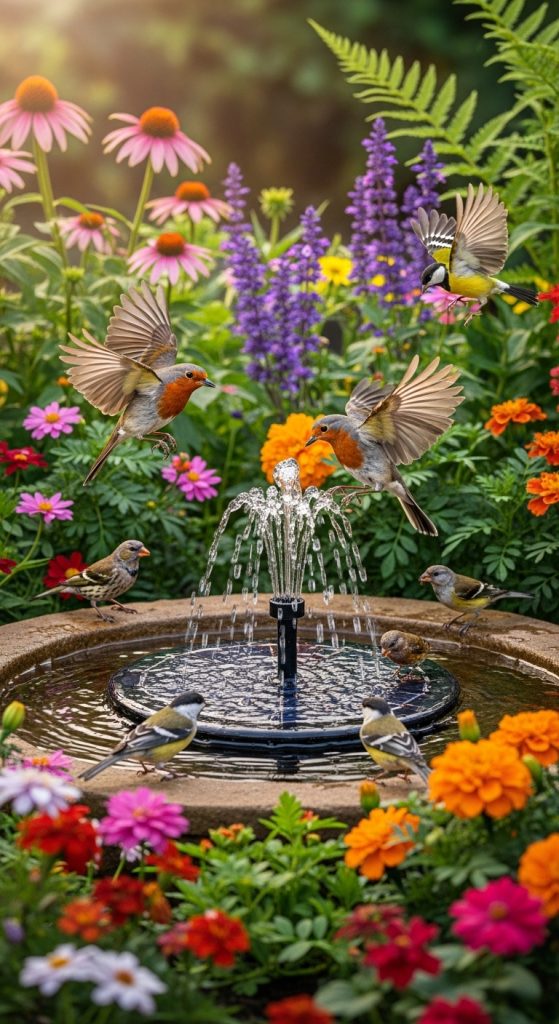
Install a simple solar fountain in a shallow basin.
Idea 8: Berry Bush Bird Habitat
Step-by-Step Guide
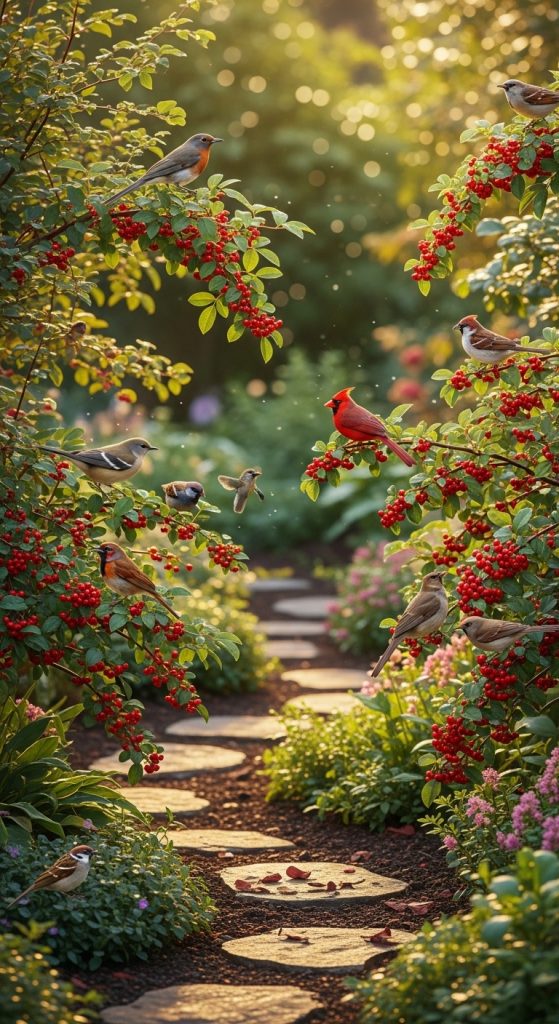
Berry-producing shrubs provide natural food sources.
Plant bushes such as elderberry or holly in clusters to encourage bird activity.
Idea 9: Tree Branch Perching Area
How to Make
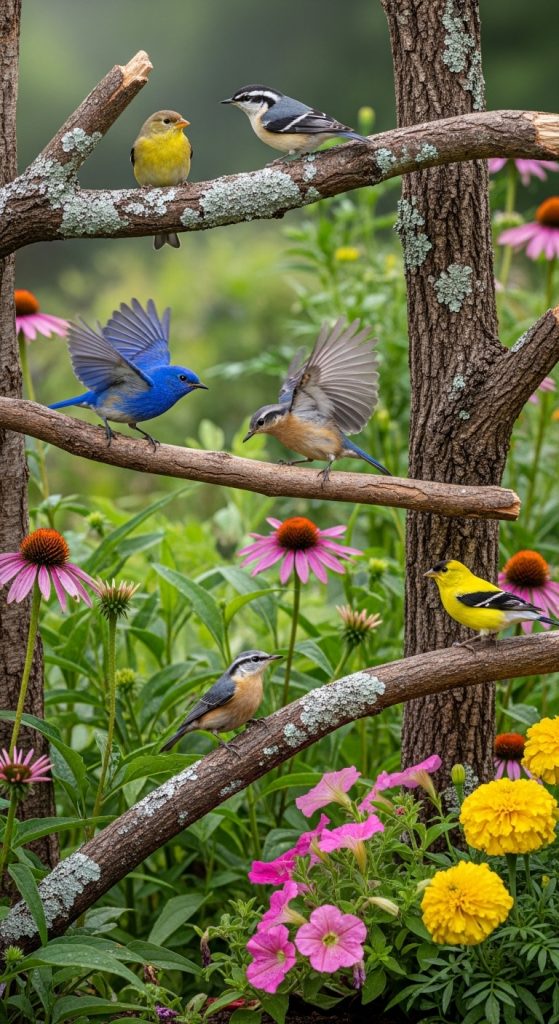
Birds require resting areas between feeding and nesting.
Install natural branches or wooden perches in open spaces.
Idea 10: Wildflower Bird Sanctuary Garden
Execution Process
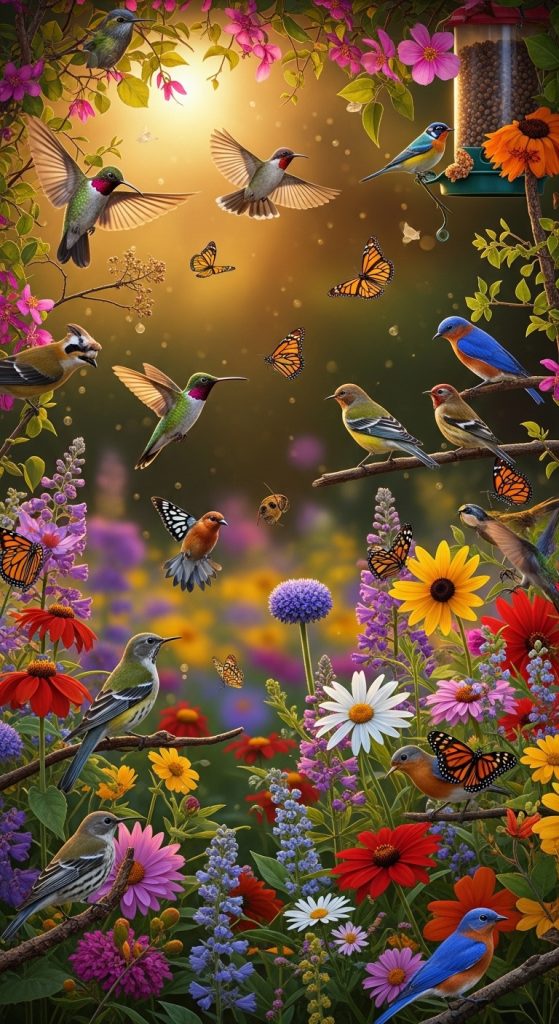
Wildflowers attract insects and produce seeds that birds eat.
Plant native wildflowers throughout the garden to support biodiversity.
Common Beginner Mistakes and How to Avoid Them
Many beginners place bird feeders in exposed areas without nearby shelter. Birds prefer locations where trees or shrubs provide quick escape routes. Another mistake involves using deep water bowls that may be difficult for small birds to access. Shallow water sources are more suitable for bird bathing and drinking.
Improper feeder maintenance can also discourage birds from visiting. Feeders should be cleaned regularly to prevent mold or spoiled food. Providing consistent food and water sources helps birds rely on the sanctuary as a safe habitat.
Practical Tips for Better Results
Positioning sanctuary elements in layers helps create a natural habitat. Combining feeders, plants, and water features provides birds with multiple resources in one area.
Using native plants also improves the ecological value of the sanctuary while reducing maintenance.
Styling, Presentation, or Organization Ideas
A bird sanctuary can also function as a decorative garden feature. Wooden feeders, stone baths, and natural plant arrangements create an aesthetic outdoor environment.
Arranging features symmetrically can help the sanctuary blend with surrounding landscaping.
Budget or Time Planning
Many bird sanctuary features can be created using inexpensive materials. Simple feeders, shallow bowls, and native plants provide effective solutions without requiring large investments.
Planning the project in stages allows the sanctuary to grow gradually over time.
Creative Expansion and Advanced Inspiration
Once a basic bird sanctuary is established, additional features can be introduced. Garden pathways, observation benches, and additional water features can enhance the experience.
These creative expansions allow individuals to develop a peaceful backyard space that supports birds while offering a relaxing outdoor environment.