
Introduction
Short haircuts have become a dominant feature in Pinterest ideas because they combine practicality, modern design, and strong visual structure. A short haircut typically ranges from above the shoulders to closely cropped styles, offering a clean and manageable appearance. These styles are widely used because they reduce maintenance time while providing a polished and organized look. This article presents ten creative ideas for short haircuts, each designed to suit different preferences and hair types. Readers will learn how each haircut is structured, how it enhances overall appearance, and how it can be approached using clear step by step concepts. Short haircuts are especially useful for individuals seeking an easy project that simplifies daily styling while maintaining a modern aesthetic. These styles focus on balance, movement, and proportion, ensuring that the final result looks refined and intentional. With proper planning and understanding, short haircuts can create a strong and confident appearance that aligns with current home decor-like aesthetic trends in personal styling.
Why This Idea Is Trending or Useful
Short haircuts continue to trend in Pinterest inspiration due to their practicality and alignment with modern lifestyle needs. These styles are useful because they require less time for washing, drying, and styling, making them suitable for busy routines. The growing interest in DIY haircut tutorials has made short styles more accessible, as they often involve simpler cutting techniques compared to longer hair. Short haircuts also align with modern design principles that emphasize clean lines and structured shapes. They provide a fresh and organized appearance while allowing for creative variation through layering, texturing, and fringe additions. Additionally, short styles are adaptable to different face shapes and hair textures, making them widely accessible. Their ability to maintain shape with minimal effort makes them a reliable option for those seeking practical and aesthetic solutions. This combination of efficiency and visual appeal makes short haircuts a consistent choice in trending ideas across Pinterest platforms.
Materials and Preparation
Preparing for a short haircut requires careful planning and the use of appropriate tools to ensure accuracy and balance. Essential materials include sharp hair-cutting scissors, a fine-tooth comb for sectioning, clips to hold hair in place, and a mirror for visibility. Clean and slightly damp hair is recommended, as it allows for better control during cutting. Begin by detangling the hair thoroughly to remove knots that could affect precision. Divide the hair into clear sections, typically separating the top, sides, and back. Planning the desired length and style is important before starting, as short haircuts require precise execution. For example, layered cuts create movement, while blunt cuts provide a defined structure. Keeping tools organized improves efficiency and reduces interruptions. Following a step by step approach ensures that each section is cut evenly and blends smoothly. Proper preparation not only simplifies the process but also helps achieve a polished and well-balanced short haircut.
Idea 1: Classic Short Bob Cut

How to Create
The classic short bob cut is a structured hairstyle that typically falls at jaw level, creating a clean and defined shape. This haircut is widely used because it provides a balanced and symmetrical appearance that suits various face shapes. The straight edges of the bob create a clear outline, while the short length ensures easy maintenance. This style aligns with minimalist style principles by focusing on simplicity and precision. It is a popular choice in Pinterest ideas due to its timeless design and adaptability. The bob can be styled in different ways, including sleek or slightly textured finishes, making it a versatile option for daily wear.
To create this haircut, begin by sectioning the hair evenly around the head. Start cutting from the back, working your way toward the sides while maintaining a consistent length. Use a comb to guide the cutting line and ensure straight edges. Once the base length is established, refine the front sections to match the overall shape. This step by step method ensures symmetry and a polished finish. Regularly check alignment using a mirror to maintain balance throughout the haircut.
Idea 2: Layered Pixie Cut
How to Create
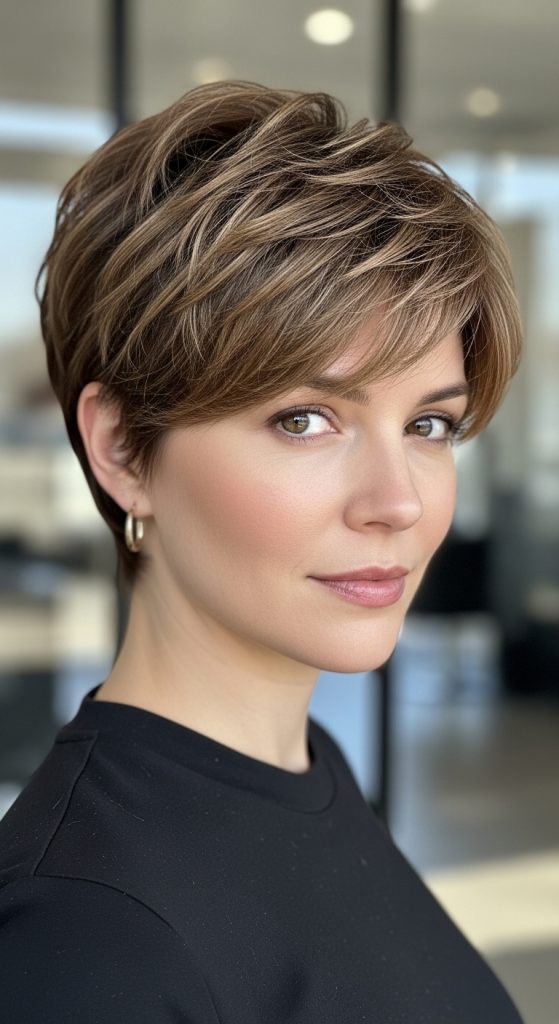
The layered pixie cut is a short hairstyle that combines cropped length with textured layers to create movement and volume. This design is practical and modern, making it a common choice in creative ideas for short hair. The layers prevent the hair from appearing flat, while the short length keeps the style easy to manage.
To achieve this look, section the hair into small parts and cut it to a short base length. Add layers by trimming sections at different angles to create texture. Focus on the top area to build volume while keeping the sides shorter. This method creates a balanced and dynamic appearance.
Idea 3: Blunt Short Cut
How to Create
The blunt short cut features straight, even edges that create a bold and structured look. This style emphasizes precision and clean lines, making it suitable for modern design aesthetics.

Cut the hair to a uniform length across all sections. Use a comb to maintain straight edges and ensure consistency. This approach creates a sharp and defined appearance.
Idea 4: Short Shag Cut

How to Create
The short shag cut introduces uneven layers to create texture and movement. This style provides a relaxed and slightly tousled appearance.
Cut layers at varying lengths throughout the hair and add texture using light trimming techniques. This creates a dynamic and modern look.
Idea 5: Asymmetrical Short Cut
How to Create
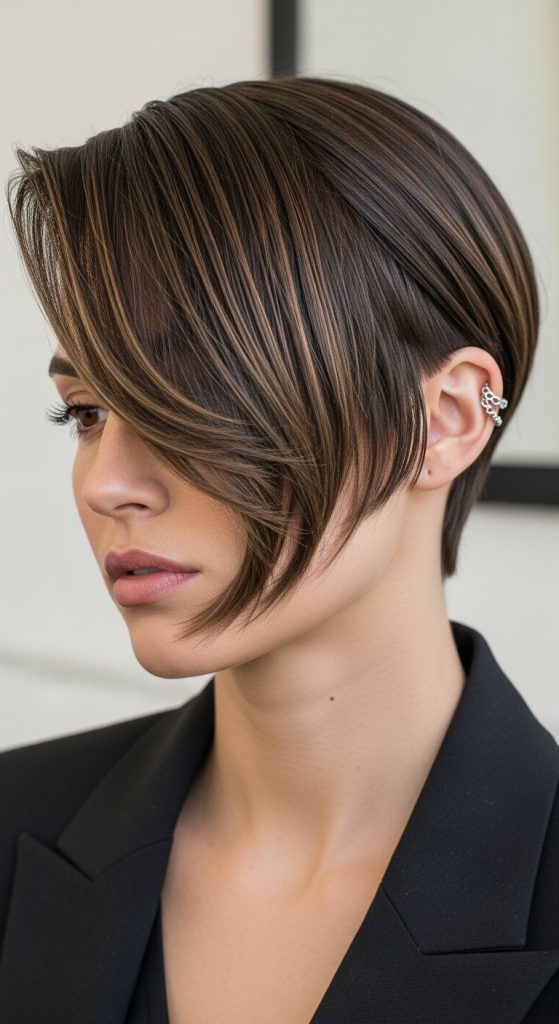
An asymmetrical short cut features uneven lengths on each side, creating a unique and visually interesting design. This style adds variation and dimension.
Cut one side slightly shorter than the other and blend the sections carefully. Ensure smooth transitions for a balanced result.
Idea 6: Short Cut with Side Bangs

How to Create
This style combines short hair with side-swept bangs to create a soft and structured appearance. The bangs add dimension and framing.
Cut the hair to a short length and trim the bangs at an angle. Blend the sections for a cohesive look.
Idea 7: Textured Crop Cut

How to Create
The textured crop cut focuses on creating a short and slightly layered style with added texture. This design enhances movement and volume.
Cut the hair short and use light trimming to create texture. Focus on the top area for added dimension.
Idea 8: Short Bob with Fringe

How to Create
This style combines a short bob with a front fringe, creating a defined and structured look. The fringe adds a focal point.
Cut the hair into a bob shape and trim the fringe across the forehead. Ensure even alignment for a clean finish.
Idea 9: Tapered Short Cut

How to Create
The tapered short cut gradually reduces hair length from top to bottom, creating a smooth transition. This style provides a clean and organized appearance.
Cut the top slightly longer and taper the sides and back gradually. Blend the sections for a seamless result.
Idea 10: Soft Layered Short Cut

How to Create
The soft layered short cut introduces gentle layers to create a natural and flowing appearance. This style maintains a balanced look.
Cut the hair to a short base length and add light layers throughout. Blend the sections carefully to maintain softness.
Common Beginner Mistakes and How to Avoid Them
One common mistake when creating short haircuts is cutting too much length at once, which can result in an overly short or uneven appearance. It is important to trim gradually and check progress frequently. Another issue is uneven sectioning, which leads to inconsistent results. Dividing the hair into clear sections ensures better control and accuracy. Using dull scissors can also affect the quality of the cut, creating rough edges instead of clean lines. Additionally, failing to check symmetry during the process can result in an unbalanced look. Taking time to follow a step by step approach and using proper tools helps avoid these problems and ensures a more polished result.
Practical Tips for Better Results
Achieving better results requires attention to detail and consistent technique. Always cut small sections at a time to maintain control. Use a mirror to check alignment from different angles. Keep hair slightly damp for easier handling. Practice steady hand movement to ensure clean and even cuts. These tips help create a more refined and balanced haircut.
Styling, Presentation, or Organization Ideas
Short haircuts can be styled in various ways to enhance their appearance. Blow-drying adds volume and definition, while arranging the hair neatly improves overall presentation. Keeping the hairstyle organized ensures a clean and polished look suitable for different occasions.
Budget or Time Planning
Short haircuts require minimal tools, making them suitable for budget ideas. Planning the haircut in advance reduces time spent during execution. Simple styles can be completed quickly, while more detailed cuts may require additional time. Efficient planning ensures smoother results.
Creative Expansion and Advanced Inspiration
Advanced short haircuts can combine multiple techniques such as layering and texturing to create unique styles. Experimenting with different lengths and shapes enhances creativity. Continuous practice improves skill level and allows for more refined and personalized haircut designs.