
Introduction
Summer hair color and cut combinations for 2026 are a major focus in Pinterest ideas because they combine structure and color into one cohesive transformation. A haircut defines the shape and movement of the hair, while color enhances depth, brightness, and visual interest. When both elements are planned together, the final result becomes more balanced and intentional. This article presents ten practical combinations of haircuts and summer color ideas designed to align with modern design trends. Readers will learn how different cuts interact with color placement, how tones affect dimension, and how to apply these ideas using a clear step by step approach. The focus remains on realistic, beginner friendly techniques that can be adapted for different hair types and lengths. This topic is useful because it allows individuals to refresh their overall appearance efficiently without needing multiple separate changes. Each idea supports aesthetic goals such as natural blending, soft transitions, and manageable styling, making these combinations suitable for everyday wear and seasonal updates.
Why This Idea Is Trending or Useful
Hair color and haircut combinations are trending in Pinterest inspiration for 2026 because they provide a complete and coordinated transformation. Instead of focusing on a single change, combining cut and color ensures that both elements complement each other. This approach improves the overall structure and enhances the visual impact of the hairstyle. The design relevance comes from current trends that emphasize natural gradients, soft layering, and balanced proportions. From a practical perspective, planning both elements together reduces the need for repeated adjustments, saving time and effort. Many of these styles are beginner friendly because they use adaptable techniques such as layering and partial color application. The DIY appeal is present in maintenance routines, including simple trimming and color care. These combinations also support budget ideas by allowing efficient use of materials and time. The result is a cohesive hairstyle that reflects modern aesthetic preferences while remaining practical and easy to maintain.
Materials and Preparation
Preparing for a combined hair color and haircut project requires careful organization and planning. Essential materials include hair cutting scissors, comb, sectioning clips, spray bottle, and mirror setup for cutting. For coloring, materials include hair dye, developer, mixing bowl, brush, gloves, and optional foils or balayage tools. Preparation begins by assessing the current condition of the hair, including texture, length, and previous treatments. Clean, slightly damp hair is ideal for cutting, while dry hair is often preferred for coloring. Sectioning the hair into manageable parts ensures control during both processes. Planning the haircut shape and color placement together is essential to achieve a balanced result. For example, layers can be designed to highlight color placement, while color can enhance the movement of the cut. Performing a strand test helps predict color results. Organizing all tools before starting ensures a smooth workflow. Proper preparation supports accuracy and consistency throughout the creative project.
Idea 1: Layered Lob with Caramel Balayage
How to Create
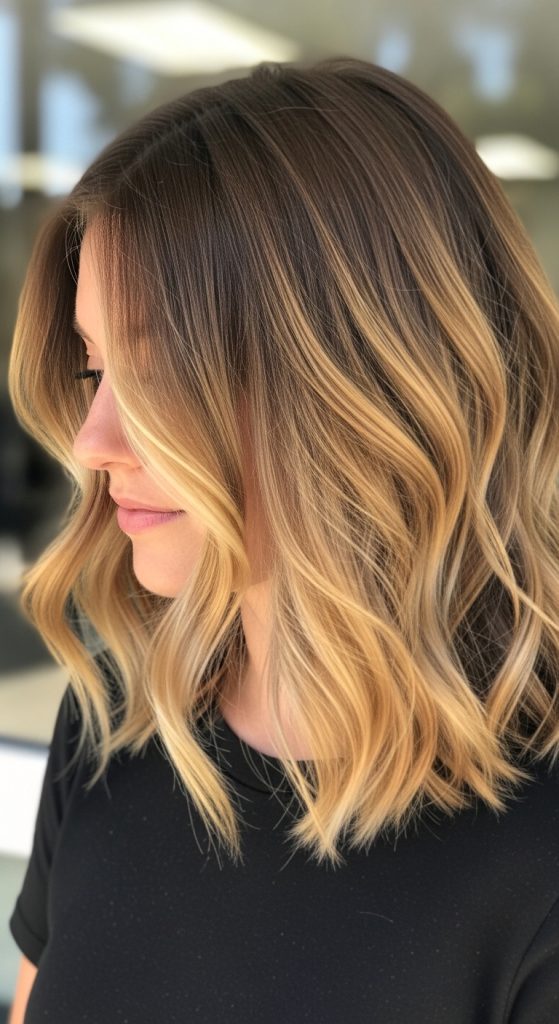
A layered lob combined with caramel balayage creates a balanced and modern summer look. The lob, or long bob, is defined by a length that falls between the chin and shoulders, with layers added to create movement. Caramel balayage introduces warm, golden-brown tones that are applied freehand to create a natural gradient. This combination works well because the layers provide structure while the balayage enhances dimension. The result is a hairstyle that appears bright and textured without losing depth. This style aligns with trending ideas that emphasize natural transitions and soft blending. It is suitable for different hair textures and is considered beginner friendly because the techniques are adaptable. The layered structure also allows the color to reflect light effectively, enhancing the overall aesthetic.
To create this look, begin by cutting the lob to the desired length and adding layers evenly throughout. Focus on blending the layers to maintain a smooth shape. Once the haircut is complete, section the hair for balayage application. Apply caramel tones to the mid-lengths and ends using a freehand technique. Blend the color upward to avoid harsh lines. Allow the color to process, then rinse and condition. This step by step method results in a layered lob with warm caramel highlights.
Idea 2: Textured Pixie with Honey Highlights
Step-by-Step Guide
A textured pixie combined with honey highlights creates a short and dynamic summer hairstyle. The pixie cut is defined by short sides and back with slightly longer layers on top. Texturing adds variation in length, creating movement and volume. Honey highlights introduce light golden tones that enhance the texture. This combination is popular in Pinterest inspiration because it creates a bright and youthful appearance. The short length makes the color more visible, while the layers add depth. This style is practical and beginner friendly, as it requires minimal maintenance. It aligns with modern design trends that favor natural texture and subtle brightness.

To achieve this style, cut the pixie shape first, leaving the top layers slightly longer. Use point cutting to create texture. Section the top layers and apply honey highlights using a brush or foil technique. Focus on areas that will catch light, such as the crown and front sections. Blend the color carefully to maintain a natural look. Allow the color to process, then rinse and condition. This method produces a textured pixie with soft highlights.
Idea 3: Blunt Bob with Ash Brown Tone

How to Make
A blunt bob with an ash brown tone creates a clean and modern appearance. The blunt cut features straight, even ends, while the ash tone adds a cool, muted effect.
To create this look, cut the bob evenly and apply ash brown color throughout. Blend carefully to maintain consistency.
Idea 4: Shag Cut with Sun-Kissed Highlights
How to Create
A shag cut combined with sun-kissed highlights creates a relaxed and textured style. The layers add movement, while the highlights mimic natural sunlight.
To achieve this look, cut layers at varying lengths and apply light highlights selectively.

Idea 5: Shoulder Layers with Golden Ombre
Execution Process
Shoulder-length layers paired with golden ombre create a gradual transition from dark roots to lighter ends.

To create this style, cut layered sections and apply color from mid-lengths to ends.
Idea 6: Short Crop with Chocolate Gloss
How to Create
A short crop with chocolate gloss enhances natural color while maintaining a polished finish.
To achieve this look, cut the crop shape and apply gloss evenly.

Idea 7: Curtain Layers with Beige Balayage
Step-by-Step Guide
Curtain layers combined with beige balayage create a soft and balanced appearance.

To create this style, cut face-framing layers and apply neutral balayage highlights.
Idea 8: Wavy Lob with Cinnamon Highlights
How to Make

A wavy lob with cinnamon highlights adds warmth and texture.
To achieve this look, cut a lob and apply reddish-brown highlights evenly.
Idea 9: Tapered Cut with Soft Babylights
Execution Process
A tapered cut with babylights creates subtle brightness and structure.
To create this style, shape the haircut and apply fine highlights throughout.

Idea 10: Minimalist Straight Cut with Gloss Finish

How to Create
A minimalist straight cut combined with a gloss finish creates a clean and polished look.
To achieve this style, maintain a straight cut and apply gloss evenly.
Common Beginner Mistakes and How to Avoid Them
One common mistake is planning the haircut and color separately, which can result in imbalance. Coordinating both elements ensures a cohesive result. Applying color unevenly can create patchy areas, so proper sectioning is essential. Choosing shades that do not complement the base color may reduce the overall effect. Skipping strand tests can lead to unexpected results. Overprocessing the hair can cause damage, so following timing guidelines is important. Avoiding these mistakes improves the final outcome.
Practical Tips for Better Results
Using proper tools improves accuracy. Working in sections ensures even application. Monitoring color during processing prevents overdevelopment. Conditioning the hair regularly maintains health and shine. Planning each step in advance improves efficiency.
Styling, Presentation, or Organization Ideas
Styling hair with waves or smooth finishes enhances color dimension. Organizing tools before starting improves workflow. Coordinating hairstyle with personal style enhances overall appearance.
Budget or Time Planning
Combining haircut and color reduces overall time. Using partial techniques lowers costs. Planning the process ensures efficient completion. Maintaining the style regularly prevents major adjustments.
Creative Expansion and Advanced Inspiration
Combining multiple color techniques adds depth. Experimenting with different layer placements enhances versatility. Exploring new tone combinations supports continuous creative development.