Introduction Renovating your home does not have to mean spending thousands of dollars on expensive materials, contractors, or major construction projects. With a little creativity, careful planning, and…
Renovating your home does not have to mean spending thousands of dollars on expensive materials, contractors, or major construction projects. With a little creativity, careful planning, and a focus on high-impact improvements, you can transform your living space while keeping costs under control. Whether you want to refresh an outdated kitchen, make your living room feel more modern, improve your bathroom, or give your home’s exterior a fresh appearance, budget-friendly renovations can make a noticeable difference.
The secret to affordable home renovation is knowing where to spend your money and which improvements you can complete yourself. Small changes, such as repainting walls, updating cabinet hardware, installing floating shelves, or improving lighting, can make a home look more polished without requiring a complete makeover.
Before beginning any project, establish a realistic budget and prioritize the areas that need the most attention. Consider the cost of materials, tools, labor, and unexpected repairs. It is also wise to reserve a portion of your budget for surprises, particularly when working on older homes.
In this guide, you will discover 10 home renovation ideas on a budget that combine style, functionality, and affordability. Each idea includes practical suggestions, materials to consider, and ways to achieve a beautiful result without overspending.
Materials Used for Budget Home Renovations
Having the right materials ready before starting a renovation can help prevent unnecessary expenses and delays. The exact supplies will depend on your project, but several affordable materials are useful for multiple areas of the home.
Paint and primer: Suitable for refreshing walls, doors, trim, and selected furniture.
Cabinet hardware: New knobs, pulls, and handles for kitchens, bathrooms, and storage units.
Peel-and-stick finishes: Suitable for selected decorative surfaces when the product is compatible with the substrate and environment.
Wood and shelving materials: Pine boards, plywood, reclaimed timber, and prefabricated floating shelves.
Lighting fixtures: Energy-efficient LED bulbs and appropriately rated light fittings.
Decorative materials: Curtains, rugs, cushions, framed artwork, and mirrors.
Basic tools: Measuring tape, screwdriver, paintbrushes, rollers, sanding blocks, and a level.
Finishing supplies: Caulk, suitable adhesives, filler, sandpaper, and protective coverings.
Always choose materials according to the room’s conditions. Kitchens and bathrooms, for example, need finishes that can handle moisture and regular cleaning.
1. Refresh Your Walls with a Fresh Coat of Paint
Best for: Living rooms, bedrooms, hallways, and entryways
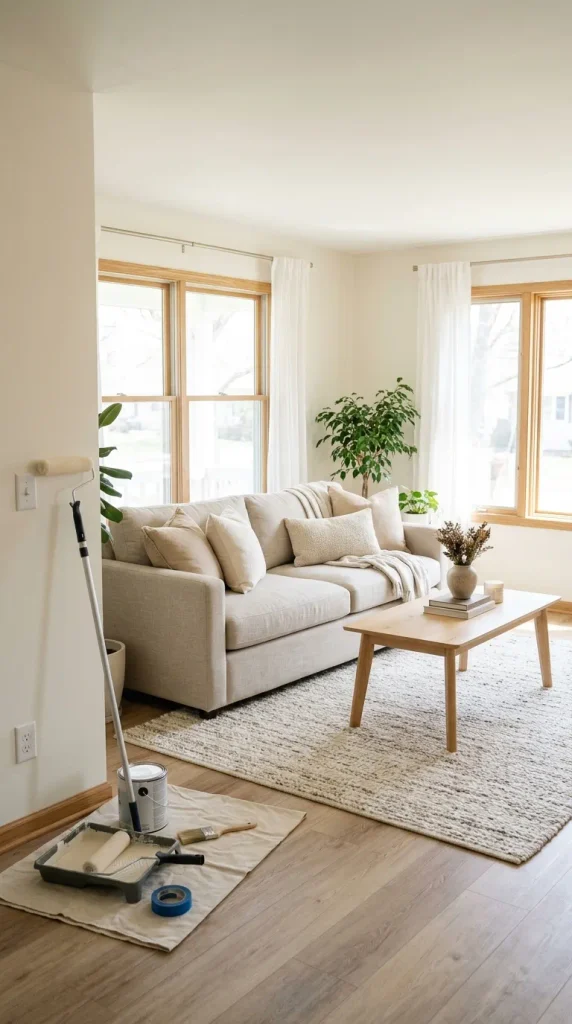
Painting is one of the most affordable ways to change the appearance of your home. Over time, walls can become marked, faded, or outdated in color. A fresh coat of paint can make a room feel cleaner, brighter, and more contemporary without changing its layout or replacing existing furniture.
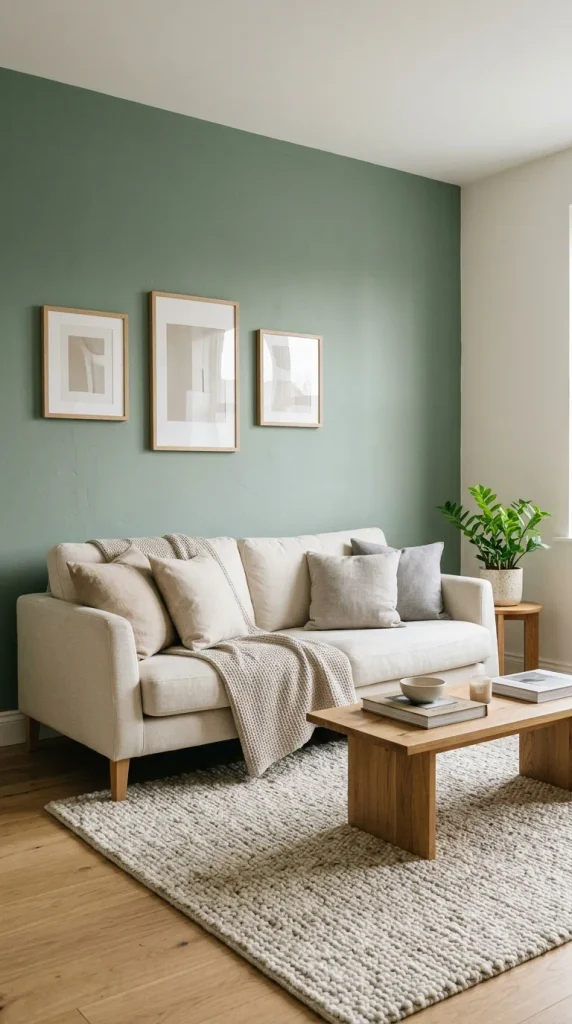
Begin by choosing a color palette that complements your flooring, furniture, and natural light. Warm white, soft beige, pale gray, and muted greige are versatile options for creating a timeless appearance. If you prefer more personality, consider a sage-green accent wall, a soft blue bedroom, or a deeper color behind a living room sofa.
Preparation is just as important as the paint itself. Clean the walls, fill small holes, sand rough areas, and apply primer where necessary. Use painter’s tape to protect trim and create neat edges. Two thin coats often provide a more even finish than one heavy coat, although coverage depends on the paint and existing wall color.
You can save money by painting the room yourself, borrowing suitable tools, and purchasing only the amount of paint you need. Compare prices per liter rather than relying only on the price of the container.
Materials to use:
Interior paint
Primer, if required
Paint rollers and brushes
Sandpaper and wall filler
Painter’s tape
Drop cloths
Budget-friendly tip: Instead of repainting the entire house, focus on the rooms that look the most worn. A freshly painted entryway or living room can improve the overall impression of your home.
2. Upgrade Kitchen Cabinets Without Replacing Them
Best for: Outdated kitchens and rental-friendly refreshes where permitted
Replacing kitchen cabinets can consume a large part of a renovation budget. If your existing cabinets are structurally sound, updating their appearance is often a more economical option.
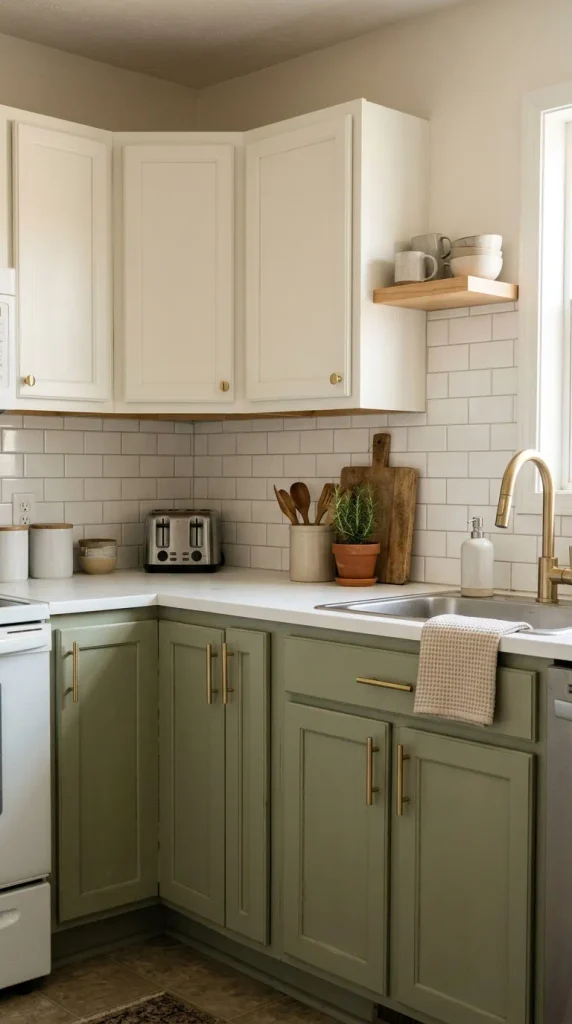
Start by thoroughly cleaning cabinet doors and removing grease, especially around the stove and handles. If the surface is suitable for painting, lightly sand it, apply the correct primer, and use a durable cabinet paint. Popular colors include warm white, charcoal, muted green, and soft taupe.
Changing the handles and knobs can create another noticeable improvement. Matte black hardware suits modern kitchens, while brushed brass can add warmth. For a classic look, choose simple brushed nickel or stainless-steel finishes.
You can also update the area around the cabinets. A carefully selected backsplash, new countertop accessories, and better under-cabinet lighting can help the entire kitchen feel more cohesive. If you are considering adhesive backsplash panels, check that they are suitable for the surface and will not be exposed to inappropriate levels of heat or moisture.
Avoid painting damaged or swollen cabinets before investigating the underlying issue. Water-damaged materials may need repair or replacement rather than a cosmetic finish.
Materials to use:
Cabinet cleaner or degreaser
Suitable primer and cabinet paint
Sandpaper
New cabinet handles
Screwdriver
Optional backsplash materials
Budget-friendly tip: Update the handles first if your budget is extremely limited. Matching hardware and a thorough cleaning can make cabinets look more intentional without the cost of repainting.
3. Install Affordable Lighting to Change the Atmosphere
Best for: Living rooms, kitchens, bedrooms, and dining areas
Lighting affects how a room looks and feels. A space with harsh overhead lighting can seem flat, while a thoughtfully layered lighting scheme creates warmth and depth. Improving lighting is a relatively simple renovation that can make a noticeable difference without changing walls or flooring.
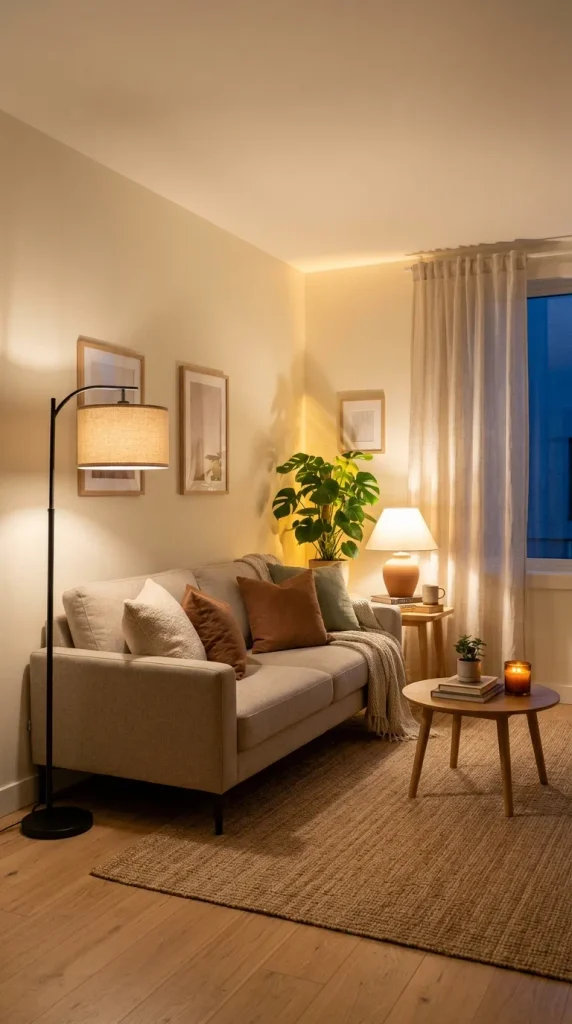
Begin by replacing outdated bulbs with energy-efficient LED bulbs in a suitable color temperature. Warm-white lighting often works well in bedrooms and living rooms, while neutral-white lighting can be useful for tasks in kitchens and work areas. The ideal choice depends on the room’s purpose and the atmosphere you want to create.
Next, consider adding table lamps, floor lamps, or plug-in wall lights where permitted. These can create separate areas of light for reading, relaxing, or entertaining. In kitchens, under-cabinet lighting can illuminate work surfaces and make the room feel more finished.
If your budget allows, replacing an old pendant light or ceiling fixture can become a focal point. Choose a fitting that suits the room’s size and existing decor rather than selecting one solely because it is fashionable.
Electrical work should be handled by a licensed electrician where required. Avoid attempting DIY changes to fixed wiring, switches, or fittings unless you are legally qualified to do so.
Materials to use:
Energy-efficient LED bulbs
Table or floor lamps
Suitable light fixtures
Under-cabinet lighting
Extension leads or accessories approved for their intended use
Budget-friendly tip: Try changing the bulbs and adding one strategically placed lamp before purchasing new ceiling fixtures. You may achieve the atmosphere you want with minimal expense.
4. Give Your Bathroom a Budget-Friendly Makeover
Best for: Small bathrooms and powder rooms
A bathroom renovation can become expensive when it involves plumbing, waterproofing, or replacing tiles. However, if the existing fixtures are functional and there are no underlying leaks, you can refresh the room through smaller cosmetic improvements.
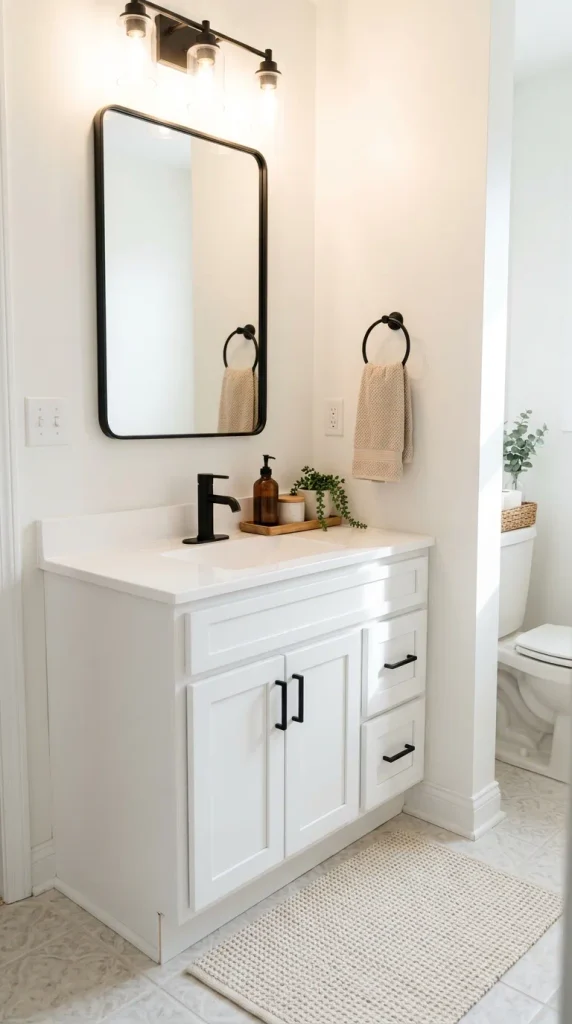
Start with the easiest changes. Replace worn towels, add a coordinated bath mat, organize countertop products, and update the soap dispenser and towel hooks. These inexpensive accessories can make the bathroom look cleaner and more coordinated.
A new mirror can also have a strong visual impact. A simple framed mirror introduces character, while a larger mirror can help a small bathroom feel more spacious. If the existing vanity is in good condition, consider replacing the handles or refreshing an appropriate surface rather than installing an entirely new unit.
Repainting walls or cabinets can further improve the room, provided you use products designed for the relevant surfaces and moisture conditions. For a more decorative update, consider bathroom-suitable wallpaper in an area away from direct splashing.
Never cover signs of water damage with paint or decorative panels. Leaks, deteriorated waterproofing, and mold problems should be addressed before cosmetic work begins.
Materials to use:
Bathroom-suitable paint
New mirror or mirror frame
Coordinated towels and bath mat
Updated cabinet hardware
Soap dispenser and countertop tray
Storage baskets
Budget-friendly tip: Choose one color scheme, such as white and wood, beige and black, or sage green and cream. Coordinated accessories often make a bigger difference than buying many unrelated decorations.
5. Transform Your Floors with Cost-Effective Updates
Best for: Bedrooms, living rooms, and selected utility spaces
Flooring can dramatically influence the appearance of a home, but replacing every floor surface is rarely necessary for a budget renovation. In many cases, repairing, cleaning, or updating existing flooring is the most economical place to start.
If you have timber floors, investigate whether they can be cleaned, repaired, or refinished rather than replaced. A professional assessment may help determine whether sanding is suitable. For sound tiled floors, thorough cleaning and repairing appropriate grout issues can improve the overall appearance.
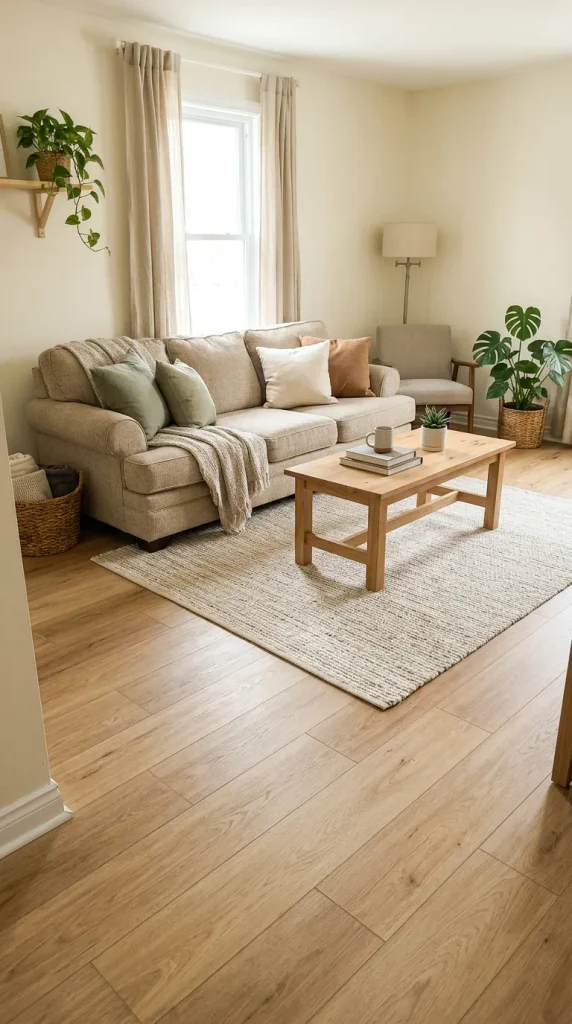
For rooms with worn but serviceable flooring, a well-sized area rug can create a fresh focal point and define a seating area. Choose a rug that complements the furniture and leaves enough visible flooring around the edges to maintain balance.
If replacement is necessary, compare affordable laminate, vinyl plank, and other suitable flooring products. Consider durability, moisture exposure, underlay requirements, and installation costs—not just the initial price. Flooring that is inexpensive to purchase may be less economical if it requires extensive preparation or is unsuitable for the room.
Avoid installing floating flooring over damp, unstable, or unsuitable substrates. Follow the manufacturer’s installation instructions and investigate any underlying damage before proceeding.
Materials to use:
Appropriate floor cleaner
Grout repair products, where suitable
Area rugs or runners
Laminate or vinyl flooring, if needed
Suitable underlay and transition strips
Budget-friendly tip: Improve the most visible or heavily used floor area first. A clean, well-styled living room floor can make the entire room feel more inviting.
6. Create a Feature Wall for an Instant Design Upgrade
Best for: Bedrooms, living rooms, dining rooms, and entryways
A feature wall adds visual interest without requiring you to redecorate the entire room. It works particularly well behind a bed, sofa, dining table, or entryway console.
Paint is usually the most affordable way to create a feature wall. Choose a shade that complements the existing color palette, such as muted green, dusty blue, warm terracotta, or deep navy. Darker shades can create a dramatic backdrop, while softer colors provide a subtle change.
If you prefer texture, consider decorative wall molding, suitable wallpaper, or a simple timber accent. The cost will depend on the materials and complexity of the installation. A basic painted wall may be all you need to make the room feel more thoughtfully designed.
Keep the wall’s surroundings relatively simple. In a bedroom, a feature wall behind the bed can be paired with coordinated bedding and bedside lamps. In a living room, artwork or a mirror can complement the color without competing with it.
Before painting or installing anything, check the wall for cracks, dampness, or loose plaster. Cosmetic treatments will not resolve underlying structural or moisture problems.
Materials to use:
Interior paint and primer
Painter’s tape
Roller and brushes
Optional wallpaper or decorative molding
Measuring tape and level
Wall filler and sandpaper
Budget-friendly tip: Use leftover paint from another room if it is suitable and available in sufficient quantity. A small feature wall can make practical use of materials you already own.
7. Update Doors, Handles, and Cabinet Hardware
Best for: Hallways, kitchens, bedrooms, and older homes
Small details can make a home look dated even when the main structure is in good condition. Worn door handles, mismatched cabinet pulls, and scuffed doors can reduce the overall sense of quality. Updating these elements is a relatively affordable way to create a more consistent look.
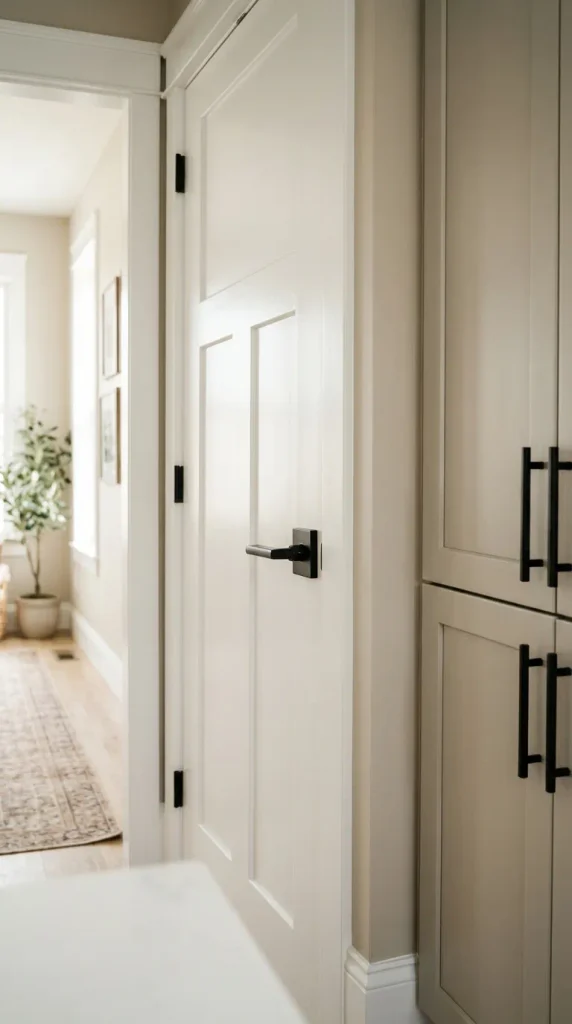
Begin by inspecting your interior doors. Clean the surfaces, repair small dents, and repaint them if necessary. A fresh white finish offers a classic appearance, while a deeper color can create a more contemporary effect when coordinated with the surrounding trim.
Next, consider replacing old handles and cabinet pulls. Black, brushed brass, and brushed nickel are popular finishes, but consistency matters more than choosing a particular trend. Select a finish that works with your lighting, faucets, and other metal details.
Measure existing hardware carefully before purchasing replacements. Cabinet handles may use different hole spacings, and door hardware must be compatible with the lock, latch, and door thickness. Replacing a handle with a model that fits the existing holes can save extra drilling and repair work.
Materials to use:
Suitable paint and primer
Sandpaper and filler
New cabinet pulls or knobs
Replacement door handles, if required
Screwdriver and measuring tape
Cleaning cloths
Budget-friendly tip: Replace hardware in stages, beginning with the kitchen and the doors that are most visible. Buying a coordinated set can help you avoid paying for mismatched individual pieces.
8. Add Built-In-Look Storage with Affordable Shelving
Best for: Small homes, bedrooms, home offices, and laundry rooms
Storage improvements can make a home feel more spacious and organized without requiring an extension or expensive cabinetry. Open shelves, simple storage units, and well-planned wall storage are practical ways to make better use of existing space.
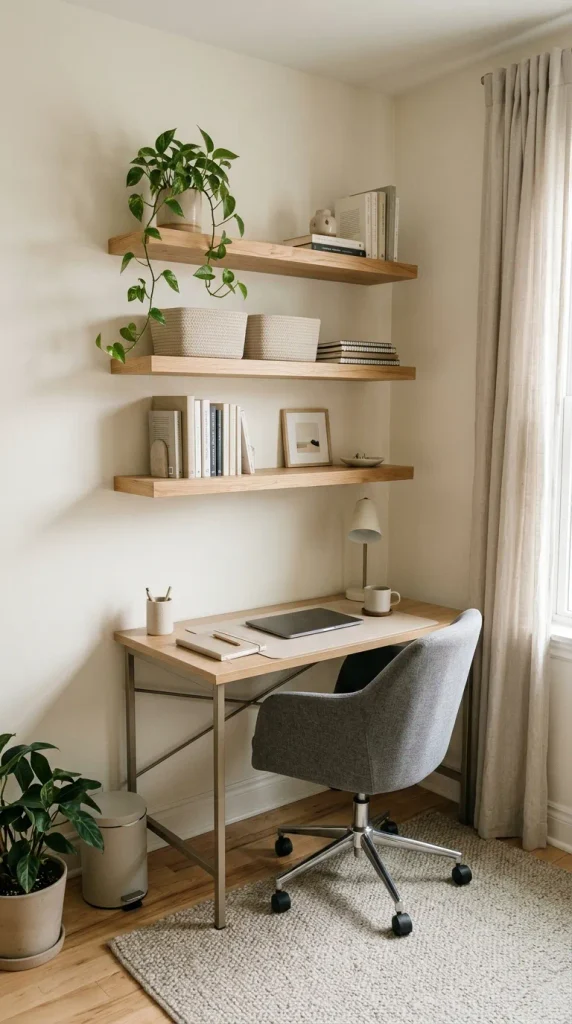
Start by identifying unused vertical areas. Floating shelves can work above a desk, beside a bed, in a laundry room, or along a hallway wall. Use them to store books, baskets, folded linens, and a few decorative accessories.
For a more built-in appearance, combine simple shelving with matching storage boxes and a consistent color scheme. For example, white shelves with natural woven baskets create a light, relaxed look, while dark shelves and matching containers suit a modern interior.
Measure carefully before purchasing materials. Consider the weight the shelves will hold, the wall construction, and the appropriate fixings. Heavy shelving must be anchored securely to suitable structural supports, and you should check for concealed wiring and plumbing before drilling.
Avoid overfilling open shelves. Leaving some space between objects helps the room feel calmer and makes cleaning easier.
Materials to use:
Prefabricated floating shelves or timber boards
Suitable brackets and wall fixings
Measuring tape and level
Storage baskets and boxes
Paint or wood finish, if needed
Screwdriver and appropriate tools
Budget-friendly tip: Repurpose sturdy shelves or furniture you already own before buying new units. A simple coat of paint and coordinated storage baskets can make existing storage look intentional.
9. Improve Your Home’s Exterior with Simple Curb-Appeal Updates
Best for: Front entrances, porches, balconies, and small outdoor areas
The exterior of your home creates the first impression, and you can improve it without undertaking a major landscaping or construction project. Simple maintenance and decorative changes can make an entrance look cleaner, more welcoming, and better cared for.
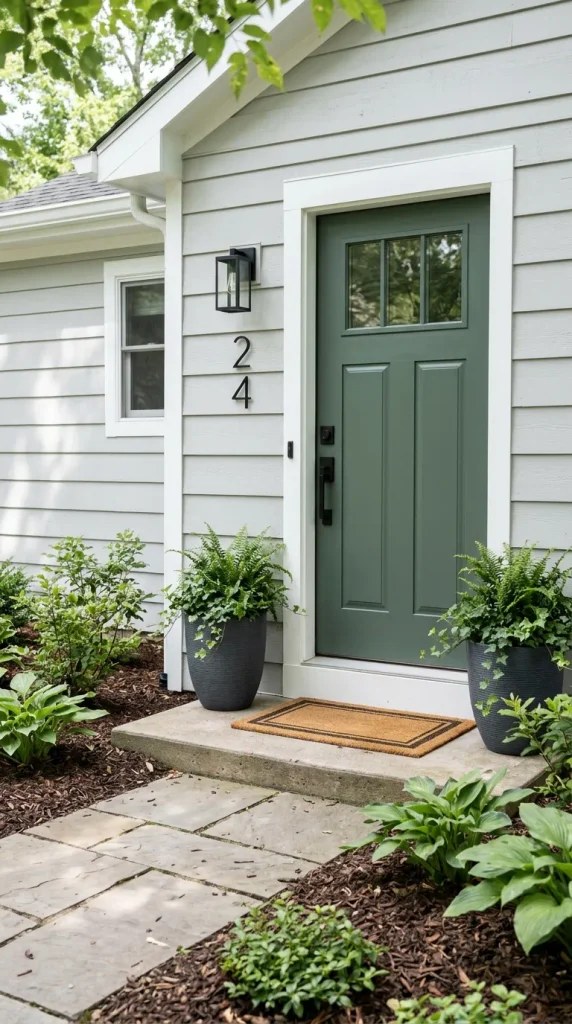
Begin by cleaning the entryway, removing clutter, sweeping paths, and trimming overgrown plants. If your front door looks worn, consider repainting it in a color that complements the exterior. Deep blue, muted green, charcoal, and classic white can work well depending on the architectural style.
Updating the house numbers, mailbox, door hardware, or outdoor light fitting can further improve the entrance. Choose durable products designed for outdoor exposure and ensure any lighting installation meets local electrical requirements.
Plants are another affordable option. A pair of matching pots beside the door creates symmetry, while a small collection of suitable plants can brighten a porch or balcony. Select plants appropriate for your local climate, sunlight, and watering conditions.
If you have a small outdoor seating area, a clean outdoor rug, simple cushions, and a compact table can make it feel like an extension of the home.
Materials to use:
Exterior paint, where suitable
Cleaning supplies
Outdoor planters and plants
New house numbers or mailbox accessories
Weather-resistant door hardware
Outdoor-rated lighting, if needed
Budget-friendly tip: Prioritize cleaning, maintenance, and paint before buying new outdoor furniture. A tidy, well-maintained entrance can make a substantial difference at very little cost.
10. Refresh Your Living Room with Affordable Decorative Changes
Best for: Living rooms, family rooms, and open-plan spaces
Sometimes a room does not need construction at all—it simply needs a better arrangement and a more coordinated appearance. Refreshing your living room with existing furniture and affordable accessories can make it feel completely different while keeping renovation costs low.
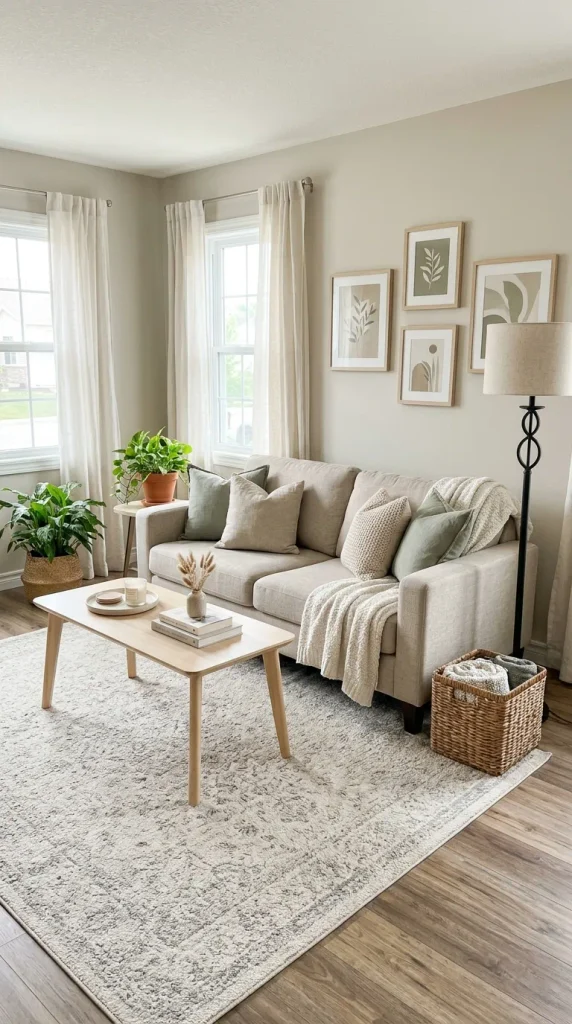
Begin by rearranging the furniture. Position seating to encourage conversation, preserve clear walkways, and make the most of natural light. Moving a sofa away from a wall or repositioning a chair near a window can improve the room’s balance without spending anything.
Next, introduce a consistent color palette through cushion covers, throws, curtains, and rugs. You do not need to replace every textile. Combining a few new covers with items you already own can create a refreshed appearance at a much lower cost.
Artwork and mirrors are also effective additions. A large framed print can anchor a wall, while a mirror can reflect light and visually open up a compact space. If you already have artwork, try moving it to a different room or grouping smaller pieces together.
Finally, remove unnecessary clutter. Use baskets to organize blankets and magazines, and keep tabletops styled with only a few useful or decorative objects.
Materials to use:
Cushion covers and throws
Curtains or curtain hardware, if needed
Area rug
Framed artwork or mirror
Decorative baskets
Table or floor lamp
Budget-friendly tip: Shop your own home before buying anything. Moving furniture, swapping accessories between rooms, and removing visual clutter can provide a noticeable improvement at no cost.
Extra Tips for Keeping Home Renovation Costs Low
Even the most affordable renovation can become expensive without a clear plan. Use these practical strategies to manage your spending and avoid unnecessary work.
1. Set a Realistic Budget
Decide how much you can comfortably spend before choosing materials. Separate essential repairs from optional improvements, and include a contingency allowance for unexpected expenses. For older homes or projects involving hidden services, a larger reserve may be sensible.
2. Prioritize High-Impact Improvements
Focus first on areas that are visibly worn, heavily used, or important to the home’s function. Fresh paint, better lighting, and updated hardware can offer strong visual improvements for relatively little money.
3. Reuse What You Already Have
Before replacing furniture, cabinets, or shelves, consider whether cleaning, repairing, repainting, or refinishing them would achieve the same result. Reusing suitable materials can reduce both costs and waste.
4. Compare Prices Before Buying
Check prices at multiple suppliers and compare the total cost, including delivery, accessories, installation materials, and tools. A product with a lower advertised price may not be the cheapest option once everything is included.
5. Learn Which Tasks Are Suitable for DIY
Painting, basic decorating, furniture rearrangement, and some simple shelving projects may be manageable for confident DIY renovators. Electrical work, structural alterations, plumbing, and waterproofing may require licensed professionals or permits, depending on your location.
6. Avoid Cheap Fixes That Create Bigger Problems
Do not paint over dampness, cover damaged flooring, or conceal cracks without understanding their cause. Address underlying problems before spending money on decorative finishes.
7. Renovate One Area at a Time
Completing one room or project before starting another makes it easier to track spending, manage disruption, and see the results of your efforts. It also reduces the temptation to purchase materials for projects you may not finish.
Common Budget Renovation Mistakes to Avoid
A low-cost renovation should still be durable, safe, and practical. Avoid these common mistakes:
Ignoring preparation: Skipping cleaning, sanding, repairs, or primer can lead to poor finishes and additional work.
Buying materials without measuring: Incorrect quantities can waste money or delay a project.
Choosing products based only on price: Cheap materials may not suit high-moisture, high-traffic, or outdoor areas.
Changing too many things at once: A clear plan helps you avoid unnecessary purchases and inconsistent design choices.
Forgetting labor and tool costs: DIY projects still require materials, equipment, and time.
Ignoring permits and regulations: Check local requirements before structural, plumbing, or electrical work.
Sacrificing essential repairs: Leaks, unsafe wiring, structural problems, and damaged waterproofing should take priority over decorative upgrades.
Conclusion
Affordable home renovations can make a meaningful difference without requiring a major financial investment. A fresh coat of paint, updated kitchen hardware, better lighting, a refreshed bathroom, and carefully chosen storage solutions can all improve the appearance and functionality of your home.
The most successful budget renovations begin with a clear plan. Decide which areas need attention, reuse suitable materials where possible, compare prices, and focus on changes that offer the greatest benefit. Remember that not every improvement needs to involve construction. Sometimes rearranging furniture, refreshing textiles, or organizing clutter is enough to make a room feel new.
Whether you are updating a small apartment, refreshing an older house, or gradually improving your family home, these 10 home renovation ideas on a budget offer practical ways to create a more comfortable and attractive space. Start with one manageable project, work within your budget, and build on your progress over time.