Introduction A room makeover is one of the most exciting ways to refresh your home, improve its functionality, and create a space that reflects your personality. Whether you…
A room makeover is one of the most exciting ways to refresh your home, improve its functionality, and create a space that reflects your personality. Whether you want to transform a tired bedroom, brighten a dull living room, or turn an unused corner into a cozy retreat, small and thoughtful changes can make a remarkable difference. You do not always need a large budget or a complete renovation to achieve a beautiful result. Sometimes, changing the furniture arrangement, updating the wall color, adding soft lighting, or introducing new textures is enough to give a room a completely different atmosphere.
Room makeover inspiration comes in many styles, from minimalist and Scandinavian interiors to cozy farmhouse spaces, modern luxury rooms, colorful creative corners, and budget-friendly DIY transformations. The key is to identify what is not working in your current space and choose improvements that solve those problems while enhancing the overall appearance.
Before starting your makeover, consider your room’s size, natural lighting, existing furniture, storage needs, and preferred color palette. A small room may benefit from lighter colors and multifunctional furniture, while a larger room can accommodate statement pieces, layered lighting, and bold accent walls. You should also decide which items you want to keep, repaint, rearrange, replace, or repurpose.
The following 10 room makeover inspiration ideas will help you create a space that feels fresh, inviting, and Pinterest-worthy. Each idea includes design inspiration, suggested materials, practical steps, and styling tips to help you turn your vision into reality.
1. Create a Cozy Neutral Room Makeover
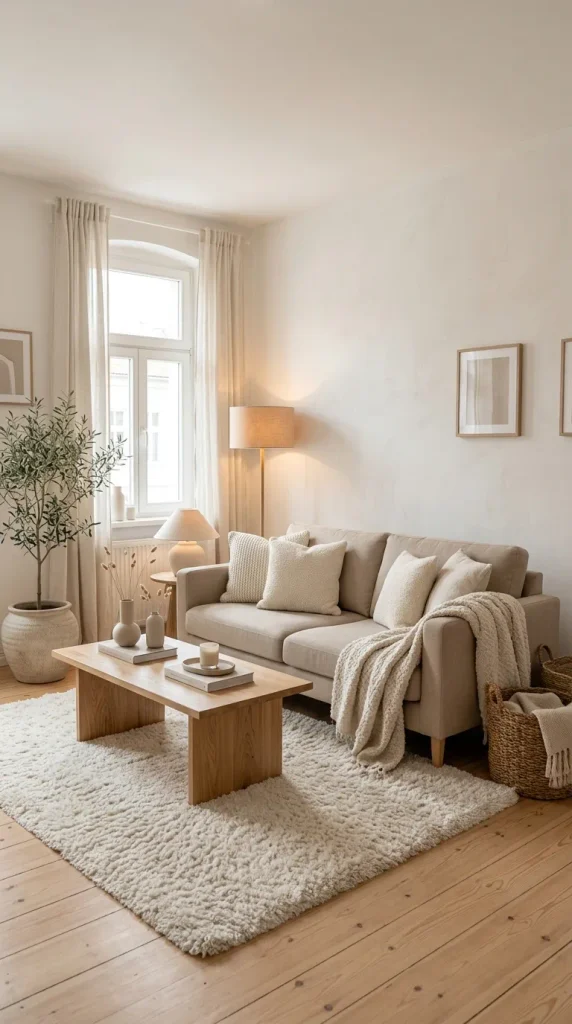
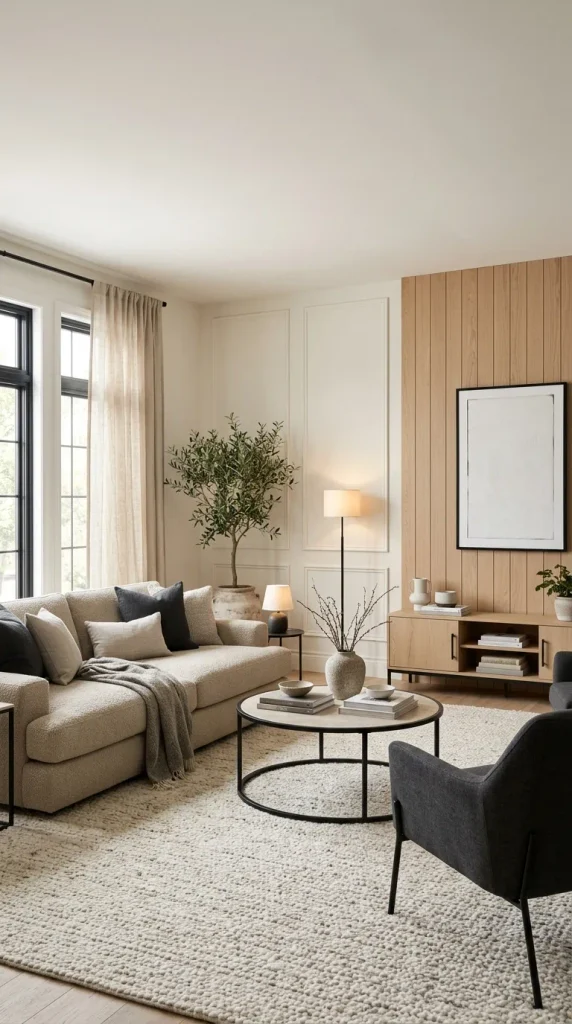
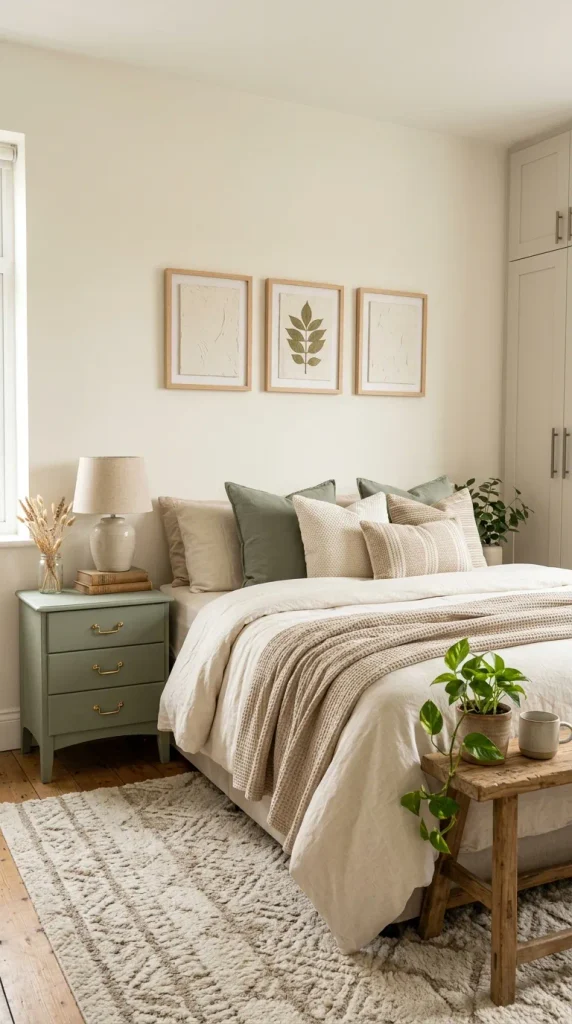
A cozy neutral makeover is perfect for anyone who loves a peaceful, timeless, and elegant interior. Neutral colors such as cream, beige, warm white, taupe, and soft gray create a soothing atmosphere while making a room feel coordinated. Instead of relying on bold colors or elaborate decorations, this style uses subtle contrasts, natural materials, and comfortable textures to create visual interest.
Begin by selecting two or three main shades that complement each other. For example, warm white walls, a beige sofa or bed, and natural wood furniture create a harmonious foundation. If your room already has neutral walls, you may not need to repaint them. Updating the textiles and accessories can be enough to refresh the space.
Layering textures is essential for making a neutral room feel inviting rather than plain. Add linen curtains, cotton bedding, knitted throws, boucle cushions, woven baskets, and a textured area rug. These materials introduce depth without disrupting the color palette. Natural wood furniture and ceramic accessories can make the room feel warmer and more personal.
Lighting also plays an important role. Replace harsh lighting with warm bulbs, add a table lamp, or place a floor lamp beside a reading chair. During the day, allow natural light to enter through sheer curtains.
For a finished appearance, remove unnecessary clutter and display only a few carefully selected accessories. A vase of dried flowers, framed neutral artwork, or a decorative tray can add personality without overcrowding the room.
Materials Used: Neutral paint, cushions, throws, curtains, an area rug, natural wood accessories, woven baskets, ceramic decor, and warm lighting.
How to Create the Look:
Remove unnecessary items and organize the room.
Choose a coordinated neutral color palette.
Rearrange existing furniture to improve flow.
Add layered textiles in different textures.
Introduce warm lighting and a few decorative accents.
Pinterest Styling Tip: Photograph the room in natural daylight, using soft bedding or upholstery, a textured rug, and carefully arranged accessories to create a warm, save-worthy neutral aesthetic.
2. Transform Your Bedroom With a Statement Wall
A statement wall can completely change the appearance of a bedroom without requiring a full renovation. Instead of decorating every wall, focus on the wall behind the bed to create a beautiful focal point. This approach works particularly well when the bedroom feels plain or lacks architectural character.
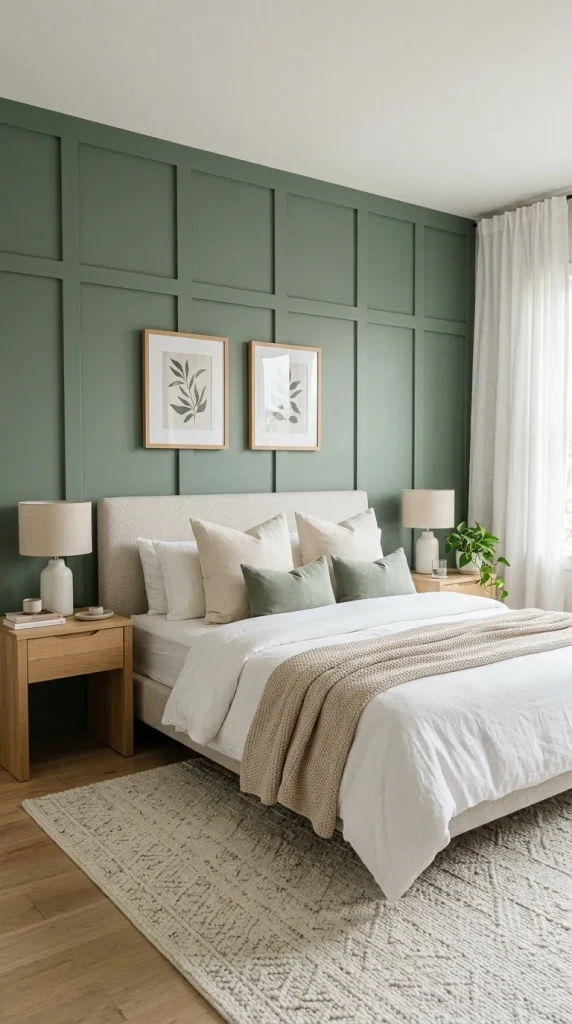
There are several ways to create a statement wall. You can paint it in a rich accent color, install decorative molding, add vertical wood slats, use removable wallpaper, or create a gallery wall with coordinated artwork. The best option depends on your budget, preferred style, and the existing furniture.
For a calm bedroom, consider sage green, dusty blue, warm beige, or muted terracotta. If you prefer a dramatic appearance, deep navy, forest green, or charcoal can create a sophisticated backdrop. Lighter rooms can accommodate darker accents more easily when the remaining walls, bedding, and curtains provide balance.
Before starting, measure the wall and plan how the design will relate to the bed, headboard, bedside tables, and lighting. For painted designs, use painter’s tape to establish clean edges. For decorative molding or panels, plan the spacing before attaching the materials.
Once the wall is complete, coordinate the bedding and accessories with its color. A green accent wall might look beautiful with cream bedding and natural wood furniture, while a terracotta wall pairs well with ivory textiles and warm metallic accents.
Avoid adding too many competing patterns. A statement wall already provides strong visual interest, so keep nearby decorations relatively simple.
Materials Used: Paint or wallpaper, primer, painter’s tape, brushes or rollers, measuring tools, optional decorative molding, suitable adhesive, and finishing accessories.
How to Create the Look:
Select the wall behind the bed.
Choose a paint color, wallpaper pattern, or paneling style.
Measure the wall and plan the design.
Prepare the surface and complete the installation.
Coordinate bedding, lighting, and accessories.
Pinterest Styling Tip: Center the bed against the feature wall and use symmetrical bedside lighting for a polished bedroom makeover.
3. Give Your Living Room a Modern Makeover
A modern living room makeover focuses on clean lines, practical furniture, balanced colors, and uncluttered styling. It is ideal if your living room feels crowded, outdated, or visually disconnected. Rather than replacing everything, start by improving the layout and identifying which items no longer suit your needs.
First, consider the arrangement of the sofa, chairs, coffee table, and television. Furniture should encourage conversation and allow people to move comfortably through the room. Pulling furniture slightly away from the walls can sometimes create a more intentional seating area, provided there is enough space.
Choose a cohesive palette, such as cream, charcoal, beige, and wood tones. If your existing furniture is neutral, introduce contrast through cushions, artwork, a statement lamp, or a darker coffee table. A single accent color can make the room feel more contemporary without requiring major changes.
Lighting is another important part of the makeover. Combine overhead lighting with floor lamps and table lamps to create different moods. If possible, position seating near natural light and use curtains that complement the overall palette.
Consider updating the focal wall with framed artwork, simple molding, or wood slat paneling. A large mirror can also help reflect light and make the space feel more open.
Finally, edit your accessories. Keep the coffee table styled with a tray, a small stack of books, and a vase. Use baskets or closed storage to manage everyday items.
Materials Used: Paint, cushions, an area rug, curtains, lamps, artwork, storage baskets, decorative trays, and optional wall panels.
How to Create the Look:
Declutter the living room.
Rearrange seating for better movement and conversation.
Establish a coordinated color palette.
Layer lighting at different heights.
Add a focal point and a few carefully chosen accessories.
Pinterest Styling Tip: Use a balanced view showing the sofa, coffee table, lighting, and feature wall together to communicate the entire makeover rather than a single decorative detail.
4. Make a Small Room Feel Bigger
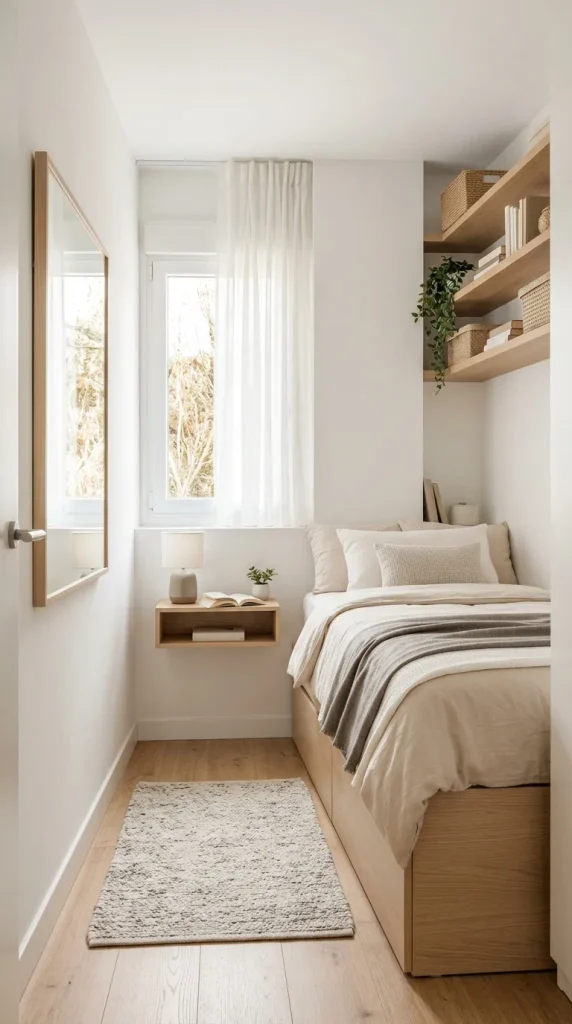
A small-room makeover should focus on improving openness, storage, lighting, and functionality. Even a compact bedroom, home office, or living room can feel comfortable when every element has a clear purpose. The goal is not necessarily to make the room appear empty, but to create a layout that feels spacious and easy to use.
Start by removing items that are rarely used. Clutter can make a small room feel crowded, particularly when surfaces, corners, and walkways are occupied. Keep frequently used objects accessible and store seasonal or occasional items elsewhere.
Light colors can help create an airy impression. Soft white, pale beige, light gray, and muted pastels work well on walls and larger furniture pieces. However, you do not need to avoid all dark colors. A small accent can add depth when balanced with lighter surroundings.
Choose furniture carefully. A bed with drawers, an ottoman with hidden storage, nesting tables, or a wall-mounted desk can provide useful functions without adding unnecessary bulk. Furniture with visible legs can also make more of the floor visible, contributing to a lighter appearance.
Mirrors can reflect natural light and visually extend the room. Position one opposite or beside a window when practical, ensuring it reflects an attractive part of the space.
Use vertical storage where possible. Wall shelves, tall bookcases, and hooks can keep belongings organized while preserving floor space. Avoid filling every wall with storage, though, as excessive shelving may create visual clutter.
Pinterest Styling Tip: Keep the floor visible, use coordinated storage, and photograph the room from a corner to show how the layout maximizes the available space.
5. Design a Dreamy Room With Fairy Lights
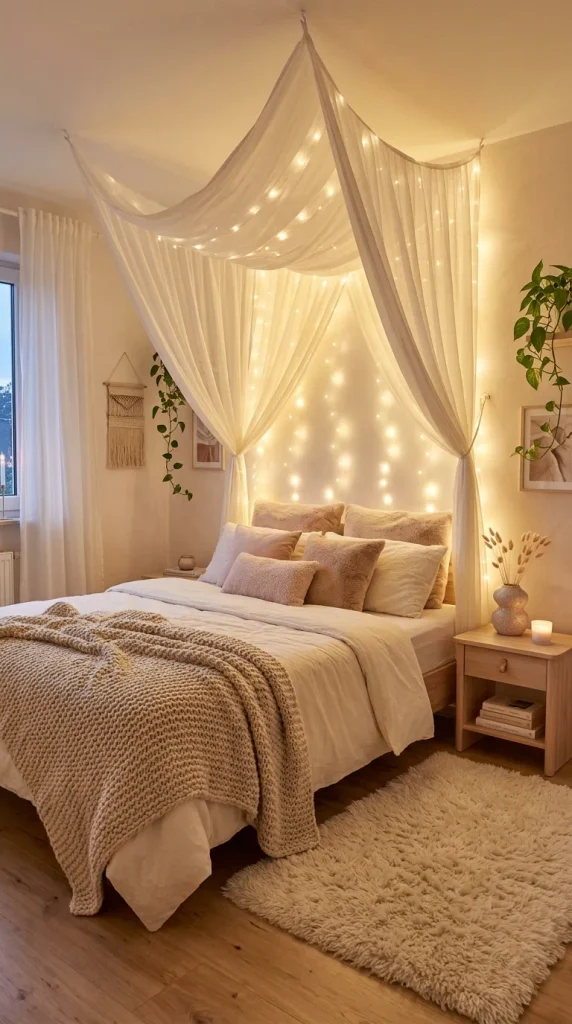
Fairy lights can transform an ordinary room into a cozy, dreamy retreat. Their gentle glow is especially suitable for bedrooms, reading corners, creative spaces, and relaxing living room areas. This makeover is relatively affordable and can often be completed without changing the existing furniture.
Begin by choosing a lighting arrangement that suits the room. You might drape warm-white fairy lights along a headboard, frame a window, outline a decorative shelf, or place them around a canopy. For a softer effect, arrange them behind a sheer curtain or along a wall above the bed.
Avoid covering every surface with lights. A carefully planned arrangement creates a more elegant result than an overly crowded display. Select warm-white lights for a relaxing atmosphere or choose subtle colored lights if you want a playful creative room.
Pair the lighting with comfortable textiles. Soft blankets, layered cushions, linen bedding, and a textured rug help the room feel inviting. A few personal touches, such as photographs, books, or framed prints, can make the makeover feel unique.
Consider adding a small bedside lamp or floor lamp so the room remains practical when the fairy lights are switched off. Fairy lights should enhance the lighting scheme rather than serve as the only source of useful illumination.
Use products designed for the intended indoor or outdoor setting, secure them according to the manufacturer’s instructions, and keep electrical components away from fabric, heat sources, and areas where they could be damaged.
Materials Used: Suitable fairy lights, removable hooks or approved clips, soft bedding, cushions, sheer fabric if desired, a rug, and complementary decorative accessories.
How to Create the Look:
Decide which wall, window, or corner will be highlighted.
Select a suitable light color and length.
Secure the lights using an appropriate mounting method.
Arrange soft textiles around the space.
Add complementary lighting and a few personal decorations.
Pinterest Styling Tip: Use warm lighting, soft neutral bedding, and a clean background to create a dreamy, cozy room makeover image.
6. Refresh Your Room With Natural Wood and Greenery
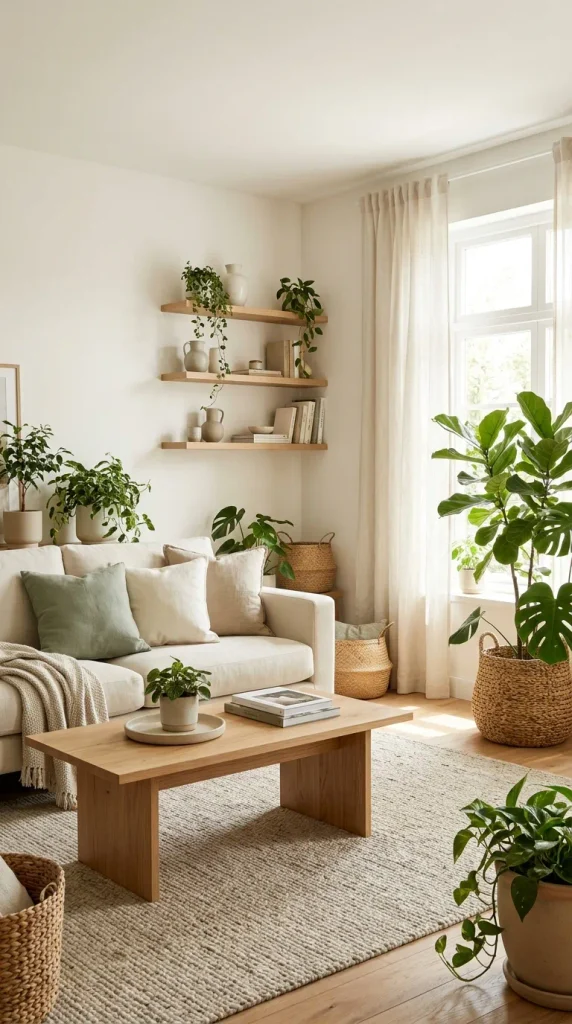
A nature-inspired room makeover introduces warmth, freshness, and a relaxing atmosphere through wood finishes, plants, natural fibers, and earthy colors. It works well in living rooms, bedrooms, home offices, and small reading spaces.
Start with a simple base of warm white, cream, beige, or light gray. These colors complement natural materials and allow greenery to stand out. If your room already has neutral walls, you can focus on furniture, accessories, and plants rather than repainting.
Wood is an important element in this style. Consider a wooden coffee table, bedside table, floating shelves, picture frames, or a simple bench. You do not need every piece to match exactly; a coordinated range of wood tones can create a relaxed, collected appearance.
Plants add life and visual variety. A tall floor plant can fill an empty corner, while small potted plants can decorate a shelf or table. Hanging planters may be useful where floor space is limited. Choose plants that suit your room’s light and your ability to care for them. If natural plants are impractical, high-quality artificial greenery can provide a similar decorative effect.
Complete the makeover with woven baskets, linen curtains, cotton throws, jute-style rugs, and ceramic accessories. These materials create a layered appearance without relying on bright colors or complicated patterns.
Keep the arrangement balanced. Plants should complement the furniture rather than block walkways, windows, or useful surfaces.
Remove unnecessary decorations to maintain a calm atmosphere.
Pinterest Styling Tip: Combine greenery with natural wood and warm neutrals, keeping the arrangement simple enough for each material to stand out.
7. Create a Budget-Friendly DIY Room Makeover
A budget-friendly makeover proves that a room can look fresh and stylish without purchasing an entirely new set of furniture. The most effective approach is to prioritize changes that have a visible impact while reusing items you already own.
Begin with a thorough decluttering session. Remove unnecessary objects, organize drawers, and clear the surfaces that attract everyday clutter. This simple step can immediately make a room feel more spacious.
Next, inspect your existing furniture. A wooden bedside table might look new with fresh paint and updated handles. An old frame can be repainted to coordinate with the room, while a plain cushion can be refreshed with a new cover. Rearranging furniture may also reveal a better layout without any expense.
Paint is often one of the most noticeable budget-friendly improvements. You can refresh an entire room or paint a single accent wall. If painting is not possible, consider removable wallpaper, fabric accessories, or a carefully arranged gallery wall.
Shop your home before buying anything new. Move a lamp from another room, repurpose a basket for storage, or display books and objects you already own. If you do purchase new items, prioritize useful pieces such as curtains, lighting, or storage solutions.
Create a realistic budget and reserve part of it for tools, preparation materials, and finishing details. A successful makeover does not depend on the number of new products; it depends on how well the changes work together.
Materials Used: Paint, brushes or rollers, sandpaper where appropriate, updated hardware, cushion covers, picture frames, removable hooks, storage baskets, and existing decorative items.
How to Create the Look:
Set a realistic budget.
Declutter and rearrange the room.
Identify furniture that can be repaired or repainted.
Choose one or two high-impact updates.
Finish with coordinated textiles and reused accessories.
Pinterest Styling Tip: Show the refreshed room as a complete design, emphasizing clever reuse, coordinated colors, and affordable details rather than expensive furniture.
8. Give Your Room a Luxury Hotel-Inspired Makeover
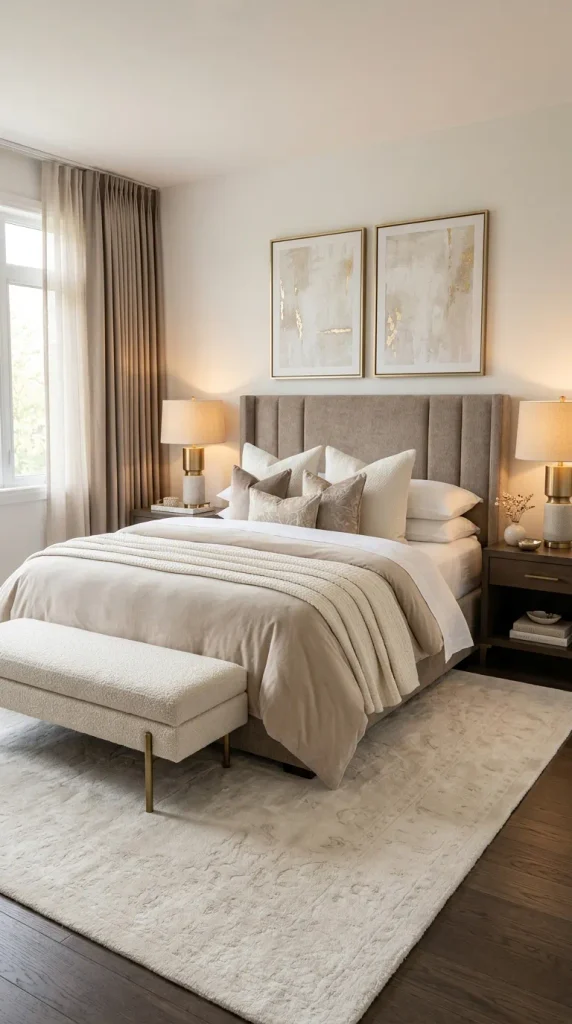
A hotel-inspired room makeover focuses on polished styling, comfortable textiles, coordinated colors, and carefully layered lighting. You can recreate this feeling in a bedroom or guest room without investing in expensive furniture or elaborate renovations.
Begin with a simple color palette. White, ivory, beige, taupe, and soft gray are classic choices because they create a calm and coordinated appearance. Add one accent shade through cushions, artwork, or decorative accessories if you want a little more personality.
In a bedroom, bedding makes a significant difference. Use clean, well-fitted sheets, a neatly arranged duvet, and a small selection of coordinated pillows. A folded throw at the foot of the bed adds texture and creates a finished appearance. In a guest room, leave enough space for visitors to unpack and move comfortably.
Lighting should be layered rather than limited to a single overhead fixture. Bedside lamps, wall lights, or a floor lamp can create a softer atmosphere. Choose matching or complementary fixtures to establish visual consistency.
Keep bedside tables and other surfaces uncluttered. A small tray, a book, a vase, or a simple decorative object can be enough. Add full-length curtains or well-fitted window treatments that complement the room’s palette.
Finally, pay attention to small details such as clean mirrors, organized drawers, aligned furniture, and concealed cables. These practical improvements often contribute as much to the overall impression as decorative purchases.
Materials Used: Coordinated bedding, quality pillow covers, a textured throw, bedside lamps, curtains, a neutral rug, decorative trays, and simple accessories.
How to Create the Look:
Select a refined, limited color palette.
Refresh the bedding and soft furnishings.
Add layered lighting.
Simplify bedside and dresser styling.
Organize the room and finish with coordinated accessories.
Pinterest Styling Tip: Make the bed neatly, balance the bedside tables, and use soft natural light to create a clean, luxurious, hotel-inspired photograph.
9. Turn an Empty Corner Into a Cozy Reading Nook
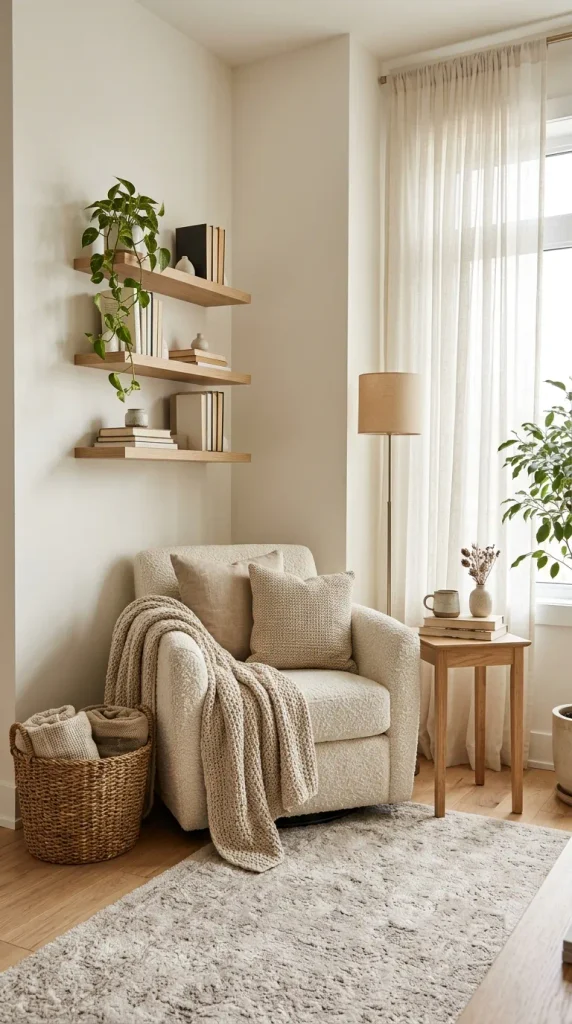
An unused corner can become one of the most inviting features of a room when transformed into a small reading nook. This idea works particularly well in bedrooms, living rooms, and home offices where a little extra space is available.
Begin by choosing a corner with comfortable lighting. A position near a window is ideal for daytime reading, while a corner near an outlet may be more convenient for a floor lamp. Make sure the arrangement does not block a doorway or create an awkward walkway.
Select seating that fits the available space. A compact armchair, cushioned bench, small accent chair, or floor cushion can work well. Add a soft throw and one or two cushions to make the seating more comfortable.
Next, introduce a small side table or narrow shelf for books, a drink, and reading accessories. If the corner is particularly small, use wall-mounted shelves instead of a bulky bookcase. A basket underneath the chair can store blankets or magazines.
Lighting is important for both atmosphere and practicality. A floor lamp with an adjustable head or a table lamp positioned beside the chair can provide useful reading light. Add a small rug to visually define the nook and make it feel separate from the rest of the room.
Finish with a plant, framed artwork, or a few favorite books. Keep the accessories personal but limited so the corner remains relaxing rather than cluttered.
Materials Used: Compact chair or bench, cushions, throw blanket, side table or shelf, reading lamp, small rug, books, and decorative accessories.
How to Create the Look:
Choose an underused corner.
Measure the available floor space.
Add comfortable seating and a suitable light.
Include a small surface or shelf for books.
Finish with soft textiles and a few personal details.
Pinterest Styling Tip: Photograph the nook at an angle that shows the chair, lighting, books, and rug together to communicate a complete cozy retreat.
10. Create a Colorful and Creative Room Makeover
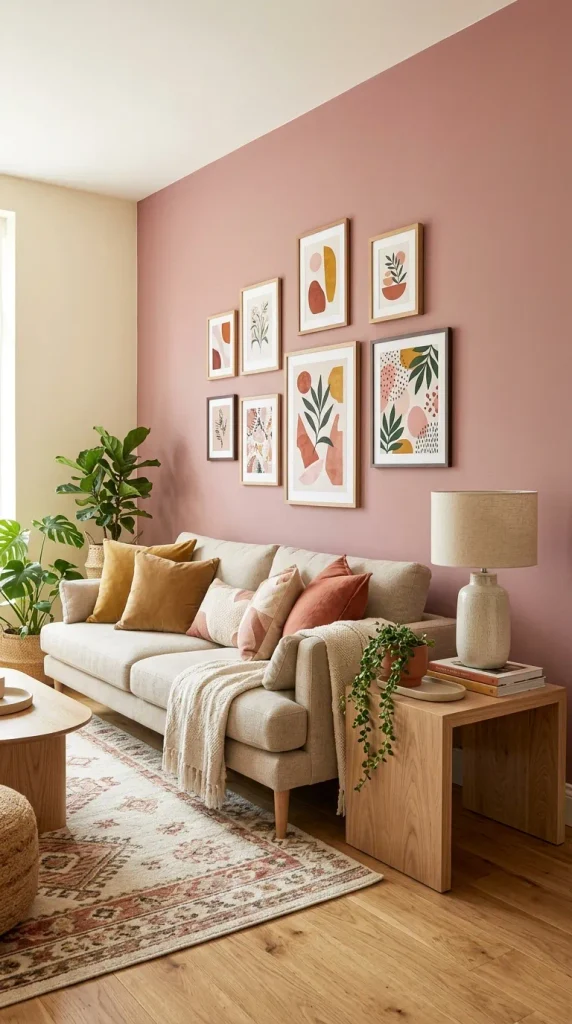
A colorful room makeover is perfect for anyone who wants a space that feels energetic, expressive, and personal. Instead of following a strictly neutral palette, this approach uses carefully coordinated colors, playful accessories, and statement pieces to create a distinctive interior.
Begin by choosing a main color and one or two supporting shades. For example, dusty pink can work with cream and terracotta, while blue can be paired with mustard and warm white. Green can look beautiful alongside natural wood and muted peach. Choosing a limited palette helps the room feel intentional rather than chaotic.
Introduce color gradually if you are unsure where to begin. Cushions, curtains, rugs, artwork, bedding, and decorative objects are easy ways to experiment without committing to a permanent change. If you want a stronger transformation, consider painting one wall or updating a piece of furniture.
Artwork is especially useful for a creative makeover. A gallery wall with coordinated frames can bring together several colors, while one large statement print creates a more streamlined focal point. You can also display handmade pieces, framed photographs, or DIY decorations that reflect your interests.
Balance colorful elements with simpler surfaces. If your bedding or sofa has a bold pattern, choose calmer accessories nearby. If the walls are colorful, keep larger furniture pieces relatively understated.
Lighting and organization still matter. A colorful room should feel comfortable and functional, not overcrowded. Use storage baskets, shelves, and drawers to keep everyday items organized.
Materials Used: Paint, colorful cushions, curtains, bedding or upholstery covers, artwork, picture frames, rugs, decorative accessories, and suitable storage solutions.
How to Create the Look:
Choose a main color and complementary shades.
Decide which element will be the focal point.
Introduce color through paint, textiles, or artwork.
Balance bold details with simpler furniture.
Organize the space and add personal decorations.
Pinterest Styling Tip: Repeat the same accent color in three or more small places, such as cushions, artwork, and a vase, to create a cohesive and visually appealing room makeover.
Essential Materials for a Successful Room Makeover
The materials you need will depend on the room and the scale of the project. However, the following essentials are useful for many decorating and DIY updates.
Paint and preparation supplies: Paint, primer, painter’s tape, brushes, rollers, drop cloths, and suitable surface-repair materials.
Soft furnishings: Curtains, cushion covers, throws, bedding, area rugs, and decorative pillow inserts.
Lighting: Table lamps, floor lamps, suitable bulbs, and fixtures compatible with your existing electrical setup.
Storage: Baskets, organizers, drawer dividers, floating shelves, and multifunctional furniture.
DIY tools: Measuring tape, pencil, level, screwdriver, and other tools appropriate to your chosen project.
Before buying materials, measure your room and make a list of what you already have. This prevents unnecessary purchases and helps you spend your budget on the changes that matter most.
Step-by-Step Guide to Planning Your Room Makeover
A clear plan helps you achieve a more cohesive result while avoiding unnecessary work and spending.
Step 1: Identify Your Main Goal
Decide what you want to improve. Your priority might be better storage, more comfortable seating, a brighter atmosphere, a more modern style, or a more organized layout.
Step 2: Set a Budget
Establish a spending limit before purchasing furniture or materials. Include preparation supplies and finishing details, not just the main decorative items.
Step 3: Declutter the Room
Remove items you no longer use and organize the belongings you want to keep. Decluttering makes it easier to assess the space and decide what needs to change.
Step 4: Choose a Design Style
Select a direction such as cozy neutral, modern minimalist, Scandinavian, farmhouse, luxury hotel-inspired, or colorful eclectic. Save a few reference images that share a similar palette and atmosphere.
Step 5: Select a Color Palette
Choose a main color and one or two complementary shades. Consider existing flooring, furniture, natural light, and the room’s size before making a final decision.
Step 6: Measure and Plan the Layout
Measure the room and larger furniture pieces. Check that doors can open fully, walkways remain clear, and seating is comfortable to use.
Step 7: Complete Larger Updates First
If you plan to paint, install wallpaper, or assemble furniture, complete these tasks before styling shelves and arranging decorative objects.
Step 8: Add Lighting and Textiles
Use a combination of practical lighting and softer ambient light. Layer curtains, cushions, bedding, and rugs to add comfort and texture.
Step 9: Style the Room
Introduce artwork, plants, mirrors, and accessories selectively. Leave enough empty space for the room to feel balanced.
Step 10: Review and Adjust
Live with the arrangement for a little while before purchasing additional items. Move anything that feels awkward, remove unnecessary decorations, and make sure the room works for everyday use.
Pinterest-Style Room Makeover Photography Tips
If you want your room makeover to inspire Pinterest users, focus on the details that communicate the overall design clearly.
Use a consistent color palette: Repeat a few shades throughout the room so the space feels cohesive.
Show the complete transformation: Include the furniture arrangement, lighting, textiles, and focal wall rather than photographing only a decorative accessory.
Use natural light: Daylight often reveals colors and textures more clearly. Open curtains and avoid harsh glare where possible.
Create visual balance: Arrange cushions neatly, keep tabletops uncluttered, and position accessories so they complement the room rather than compete for attention.
Highlight useful details: Show clever storage, multifunctional furniture, DIY wall decor, or a small-space solution when these are important parts of the makeover.
Choose a clear camera angle: A corner view can show more of the room, while a straight-on view works well for a feature wall or carefully styled bed.
Keep the room realistic: A beautiful makeover should still look comfortable and usable. Include practical storage and enough space for people to move around.
Final Thoughts
A room makeover does not have to involve expensive furniture, major construction, or a complete change of style. With thoughtful planning, you can transform your home by refreshing the color palette, rearranging furniture, adding better lighting, introducing natural textures, and choosing accessories that make the space feel personal.
The 10 room makeover inspiration ideas in this guide offer options for different budgets, room sizes, and decorating preferences. You can create a cozy neutral retreat, introduce a statement wall, modernize your living room, make a small room feel more spacious, or design a relaxing reading nook. If you enjoy more expressive interiors, a colorful makeover can help your personality shine through.
The most important step is to begin with a clear purpose. Decide what you want your room to look and feel like, work with the furniture and materials you already own, and prioritize improvements that make everyday life more comfortable.
For a Pinterest-worthy result, combine a coordinated color palette with layered textures, thoughtful lighting, and carefully selected decor. Avoid overcrowding the room, and remember that a few well-chosen changes can often have a greater impact than buying many new items.
With creativity and a practical plan, your room can become a more beautiful, functional, and welcoming space that feels refreshed and uniquely yours.